15 Free Date Ideas That Still Feel Like Plans
Explore the guide
- 1. Give a familiar walk one small theme
- 2. Pick a library book for each other
- 3. Build a tiny online museum visit
- 4. Trade stories behind five old photos
- 5. Play a guessing game without supplies
- 6. Teach each other one small skill
- 7. Draw the same ordinary object
- 8. Make a short soundtrack from music you can already hear
- 9. Play one game that's already on the shelf
- 10. Give an ordinary meal a different setting
- 11. Find three interesting details with your phone
- 12. Plan a fictional afternoon somewhere imaginary
- 13. Read a short passage aloud
- 14. Watch the evening change from a permitted spot
- 15. Choose one genuinely free community event
- Make the plan clear before meeting
A free date starts with an agreement about spending, rather than a list of discounted activities. Decide whether you mean no new spending at all, including travel and supplies. That keeps a pleasant afternoon from turning into an unexpected bill for either person.
The ideas below use conversation, free access or things you already own. Skip any option that would require buying its missing pieces. If a location adds parking, transit fares or admission, choose a nearby alternative or stay home.
Pick one main activity, agree on a comfortable length and keep an easy backup. You don’t need several stops to make the time feel intentional. These fifteen plans work best when both people actually want the activity, not just its price.
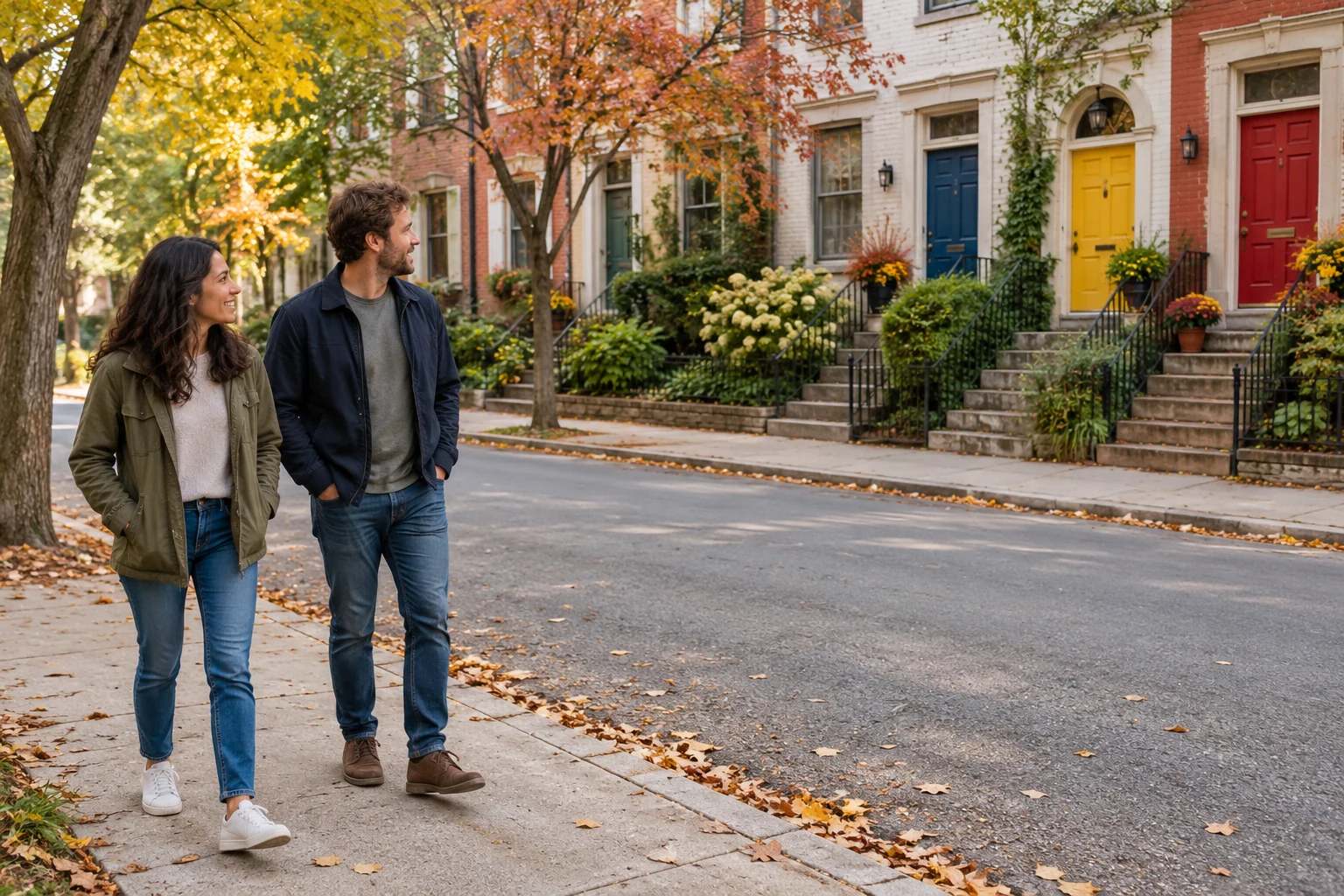
1. Give a familiar walk one small theme
Choose a route you can reach without paying for transportation. Look for an ordinary detail together, such as unusual door colors or changing leaves. The theme gives familiar streets something new to notice without turning the walk into a competition.
Use suitable pieces you already own for this idea.
Agree on the distance and available seating before setting out. Stay on permitted public routes and leave private gardens alone. If walking doesn’t suit both people, try the same observation game from an accessible sitting place.
2. Pick a library book for each other

Visit a branch you can reach without extra spending, after checking its hours and access rules. Each person chooses a book the other might enjoy browsing. Explain the choice using something specific you know about their interests.
Use suitable pieces you already own for this idea.
You can look through the selections there if borrowing isn’t available to you. Don’t assume every visitor qualifies for a free card or every event admits walk-ins. If the branch is closed, use books already at home and keep the choosing game.
3. Build a tiny online museum visit

Use an existing device and internet connection to explore a museum’s freely accessible online collection. Pick three objects each instead of opening dozens of tabs. Choose one because you like it, another because it’s puzzling, and a third worth discussing.
Use suitable pieces you already own for this idea.
Compare what caught your attention without turning the visit into a knowledge test. Check that the collection opens without a paid account before settling in. Skip paid tours and downloads; the shared looking is the activity.
4. Trade stories behind five old photos

Choose a few photographs you already have permission to share. Take turns explaining something outside the frame, such as the journey there or an unexpected interruption. Ordinary pictures can work just as well as carefully posed vacation photographs.
Use suitable pieces you already own for this idea.
Let either person leave a photo out without explaining why. Keep private images private rather than posting a recap afterward. If your archives feel too personal for the relationship, trade memories of familiar public places instead.
5. Play a guessing game without supplies

One person thinks of an everyday object, place or fictional character. The other asks questions that can be answered yes or no. Agree on a question limit, switch roles and choose categories both people recognize.
Use suitable pieces you already own for this idea.
Keep it playful by avoiding obscure subjects chosen only to stump the other person. You can give a hint when the guessing stalls. No app, printed cards or prizes are needed, and you can stop after a few rounds.
6. Teach each other one small skill

Choose something you can demonstrate with materials already available. That might be folding a familiar paper shape or explaining a favorite phone photography trick. Keep the lesson small enough to finish without collecting tools or buying a course.
Use suitable pieces you already own for this idea.
Ask whether the other person wants instruction before starting the demonstration. Let them try without correcting every movement. If neither person wants to teach, discuss an interesting detail from a hobby instead.
7. Draw the same ordinary object

Place an object you already own where both people can see it. Use existing paper and pencils, choosing a playful approach if realistic drawing feels intimidating. You could draw its outline without lifting the pencil, then compare the results.
Use suitable pieces you already own for this idea.
Agree that neither sketch needs to look polished. A familiar mug or shoe gives you enough shape to work with. Without supplies, describe imaginary portraits aloud rather than buying an art kit for the evening.
8. Make a short soundtrack from music you can already hear
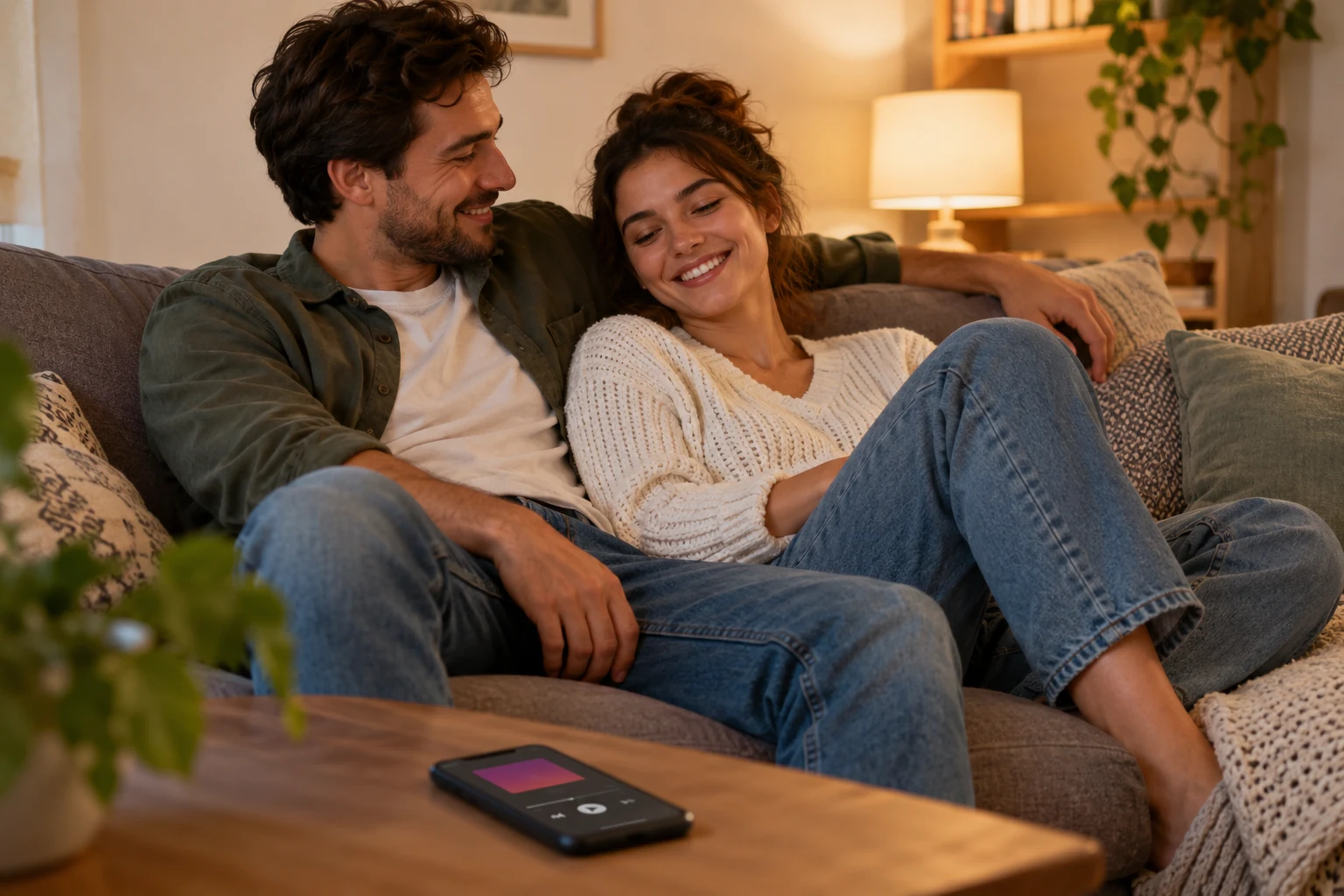
Each person chooses a few songs available through music access they already have. Give the sequence a small theme, such as a train journey or a particular season. Explain one choice, then leave space to listen instead of introducing every track at length.
Use suitable pieces you already own for this idea.
Use a free option only if it actually plays without a new payment or trial. Ads may interrupt, so keep the plan flexible. You can also discuss remembered songs without subscribing to anything or creating a shared account.
9. Play one game that's already on the shelf

Choose a game or deck you own that actually works for two people. Read the player count before setting everything out. A familiar short game leaves more room for conversation than a rules lesson neither person wanted.
Use suitable pieces you already own for this idea.
Keep scores only if both people enjoy that part. Stop at an agreed point instead of turning the loser into an unwilling rematch partner. Our at-home date ideas offer other settings, with existing-item options where they fit.
10. Give an ordinary meal a different setting

Use a meal you were already going to eat, rather than buying ingredients for a challenge. Sit somewhere comfortable and available, even if that simply means clearing your usual table. Put unrelated tasks aside for the time you’ve agreed to share.
Use suitable pieces you already own for this idea.
This is no new spending, rather than food appearing without a cost. Skip elaborate themes, extra snacks and new table decorations. If your schedules don’t fit, share a conversation afterward instead of forcing a second meal.
11. Find three interesting details with your phone
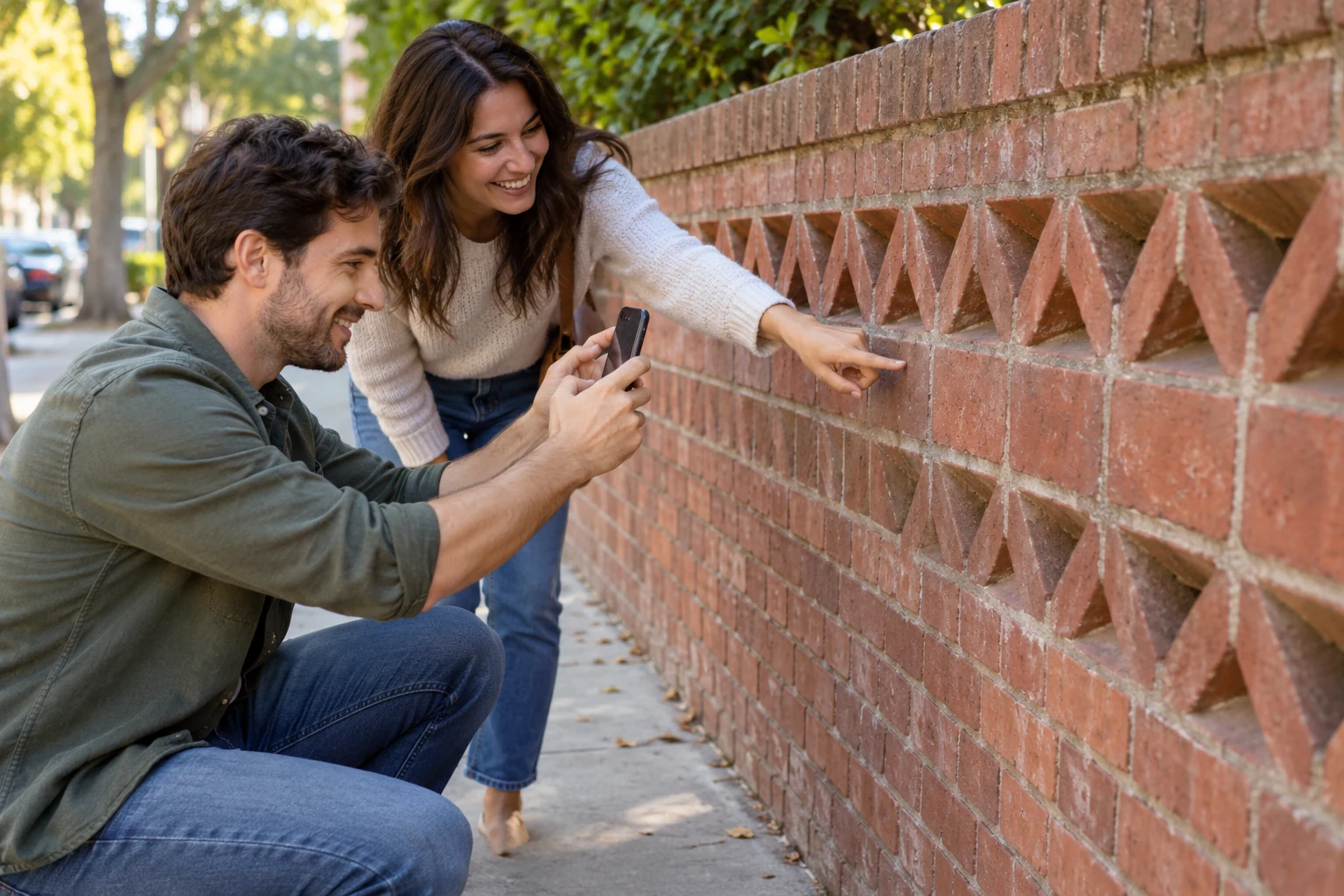
If you already have a suitable phone, choose three ordinary details to photograph. Look for a reflection, a repeating shape and a color you don’t often notice. Stay where you’re allowed to be, without moving objects or entering private spaces for a shot.
Use suitable pieces you already own for this idea.
Avoid photographing strangers as the activity’s subjects without their permission. Compare what you noticed rather than ranking camera quality. Without phones, point out the same details and describe the pictures you’d make.
12. Plan a fictional afternoon somewhere imaginary

Invent a town together, then plan how you’d spend an afternoon there. Decide on a peculiar landmark, a local celebration and somewhere you’d want to sit. Take turns adding details so the story doesn’t become one person’s travel presentation.
Use suitable pieces you already own for this idea.
Keep it clearly imaginary, without making purchases or reservations part of the game. You can draw a rough map with materials you already own. An invented destination keeps the conversation separate from actual travel decisions and spending commitments.
13. Read a short passage aloud

Choose a passage from a book already available to you. Read a manageable section, then talk about one image, character or sentence that stayed with you. Neither person needs to finish the book or give a clever interpretation.
Use suitable pieces you already own for this idea.
Ask whether reading aloud feels enjoyable before choosing this plan. You can read silently beside each other and compare impressions instead. Use existing books or legitimate free library access, rather than buying matching copies for one date.
14. Watch the evening change from a permitted spot

Choose somewhere you can comfortably access without entry or transportation costs. Notice changes in the light, nearby sounds or the view as evening arrives. An ordinary porch or window can serve the idea without a special destination.
Use suitable pieces you already own for this idea.
Check closing times before choosing a park, and leave if conditions become uncomfortable. You don’t need clear skies or a promised sunset photograph. Our rainy-day date ideas include indoor options you can adapt using existing things.
15. Choose one genuinely free community event
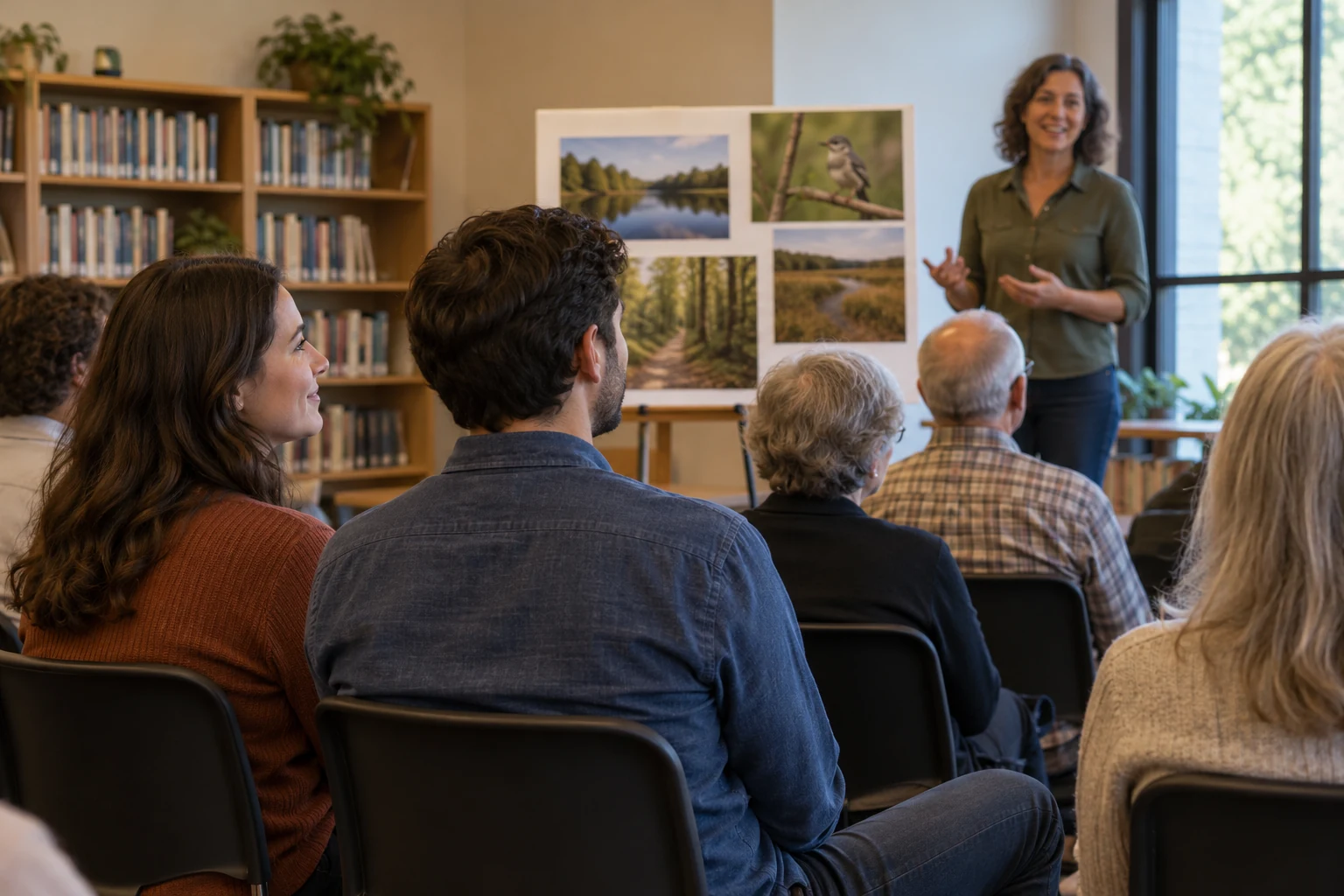
Look at a current library, community center or municipal event listing. Confirm admission, registration, access arrangements and any required purchase before agreeing to go. A free performance inside a venue doesn’t necessarily mean the entire visit costs nothing.
Use suitable pieces you already own for this idea.
Choose something both people would enjoy even without the free label. Include the journey home when deciding whether it fits your evening. If details are unclear or spaces are gone, choose a home option without improvising expenses.
Make the plan clear before meeting
Send the basic idea, where you’ll meet and when you expect to finish. Mention the no-spending agreement plainly so neither person feels responsible for adding a paid surprise. Leave room for a different suggestion if the activity, location or timing doesn’t suit them.
A free date doesn’t need to imitate a restaurant evening or produce something worth posting. Give one shared activity enough attention to feel chosen. If it stops being enjoyable, change it together without treating the evening as a failure.
Visuals are original AI-generated editorial concepts, not photographs of actual products, tested projects, cooked results or real events.


