25 Questions for Couples to Try on a Date Night

Explore the ideas
- 1. Start with something easy to notice
- 2. Talk about an ordinary good moment
- 3. Remember a place in your own way
- 4. Ask about the way a day feels
- 5. Make room for changing preferences
- 6. Imagine a small shared project
- 7. Look ahead without planning every year
- 8. Notice the everyday work between you
- 9. Make space for a different answer
- 10. End with something you can carry forward
- Keep a little privacy around the conversation
A good date-night question leaves room for an answer you haven’t already imagined. It doesn’t need to uncover a secret or produce a dramatic revelation. Sometimes an ordinary preference gives you more to discuss than a question about your entire future.
These twenty-five questions sit within ten optional conversation rounds. Choose a few that fit tonight, rather than trying to finish every round. You can answer differently, pass on a question or change the subject without explaining the choice.
Read one question aloud and let both people respond before introducing another. Give the answer a moment instead of searching immediately for the next prompt. Let their actual answer guide the next question instead of steering toward an expected response.
1. Start with something easy to notice
1. Which detail in this room would you keep if everything else changed?
2. What ordinary object have you enjoyed using lately?
Begin with something visible or familiar when you don’t feel like diving into personal history. Your answers might concern comfort, appearance or a practical detail. Let those differences stay interesting without turning them into judgments about each other’s taste. Ask what makes that particular detail useful or enjoyable.
Use the suitable pieces you already own for this idea.
You can answer while sharing a drink at your ordinary table. There’s no need to arrange a special setting before talking. A comfortable seat and enough time to listen are more useful than a perfectly styled room.
For example, someone might choose a chair because its back feels comfortable. Ask what makes sitting there different, rather than assuming they chose its color. That follows the answer they gave while leaving them room to explain.
2. Talk about an ordinary good moment

3. What small part of this week would you enjoy repeating?
4. When did something turn out simpler than you expected?
5. What made an ordinary meal or break enjoyable recently?
Choose a specific moment instead of summarizing whether the whole week went well. An enjoyable lunch or an unexpectedly clear afternoon gives you something concrete to describe. Ask about the detail that made it work. Avoid assuming both people had an equally comfortable week.
Use the suitable pieces you already own for this idea.
If nothing comes to mind, pick another question without trying to manufacture a positive answer. These prompts aren’t a gratitude requirement. A mixed or uneventful week doesn’t need editing to fit the conversation.
3. Remember a place in your own way

6. Which small detail do you remember from somewhere we went together?
7. What familiar place would you enjoy showing me differently?
You might look through a few photographs if you already have them nearby. Let each person choose a detail without correcting every difference in the memory. One person may recall the journey while another remembers a particular meal. Ask what made their detail stand out at the time.
Comparable options, not the exact pictured items. Check the selected color, size and buying notes.
Materials, fit and differences from the concept
- Bstorify kraft scrapbook album: Small 7×7 decorative kraft scrapbook, 36 pages. No independent long-term preservation certification verified.
A shared place doesn’t need to be a holiday destination. A neighborhood bench or an ordinary shop can hold its own story. Keep the question open to places that didn’t require expensive travel.
A photograph can help locate a memory without proving whose version is right. If one person remembers waiting and another remembers the view, both can describe their experience. Ask what happened around the detail each person noticed.
4. Ask about the way a day feels

8. Which transition in your day tends to feel most rushed?
9. What makes an evening feel genuinely unhurried to you?
10. Where would a little more preparation make your day easier?
Let the person describe their own routine before offering a solution. The part you notice from outside may differ from the part that feels difficult. Ask whether they want ideas or simply want to explain. Avoid turning one answer into a new household system during the date.
Comparable options, not the exact pictured items. Check the selected color, size and buying notes.
Materials, fit and differences from the concept
- LEUCHTTURM1917 A5 dotted notebook: A5 dotted notebook. The illustrated layouts are custom concepts, not preprinted spreads; test pens on the actual paper.
You can note a practical suggestion later if you both want to try it. Leave room for the answer to remain a description. Not every conversation needs to end with a task assigned to somebody.
5. Make room for changing preferences

11. What kind of outing appeals to you more now than it used to?
12. Which familiar preference of yours might I be assuming hasn't changed?
Think about ordinary choices such as noise, travel distance, food or how long to stay out. A changed preference isn’t automatically a criticism of earlier plans. Ask what suits the person now. You can learn something without needing an explanation for every shift in taste.
Use the suitable pieces you already own for this idea.
Try giving your own current answer instead of recalling what you would have said years ago. There is no score for staying consistent. Plans can reflect who you both are now, even when old favorites remain available.
Someone who once enjoyed long outings might now prefer a shorter visit. Ask which part they still enjoy and what length feels comfortable. That gives you a practical detail for another plan without assuming a reason for the change.
6. Imagine a small shared project
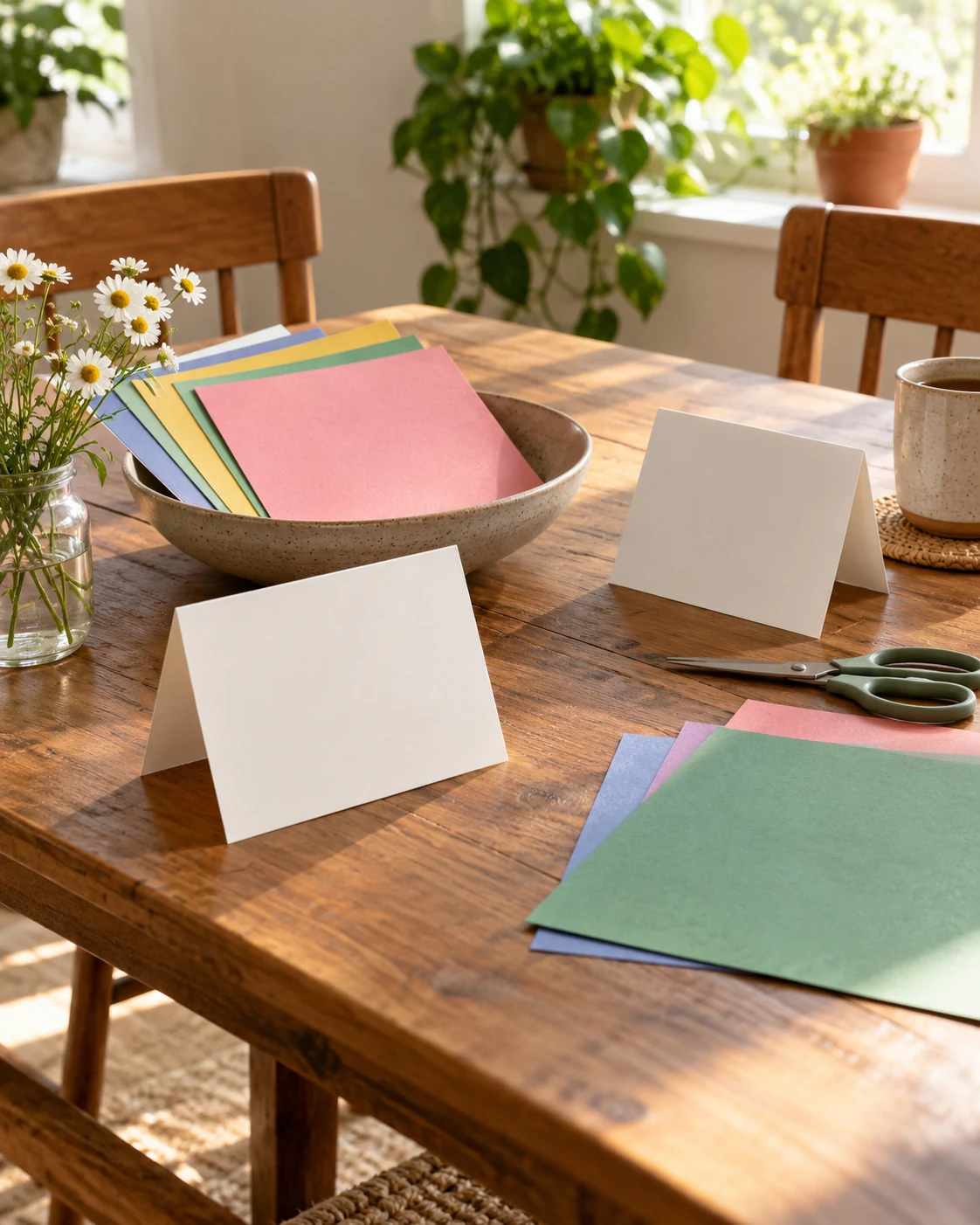
13. What could we make together using something we already own?
14. Which part would you actually enjoy doing?
15. What would make the first version small enough to begin?
A meal, a paper collage or sorting a few shared photographs could fit this round. Choose something both people want, rather than presenting a neglected chore as a surprise project. Compare the parts you enjoy before dividing the work. Keep an easy stopping point available.
Comparable options, not the exact pictured items. Check the selected color, size and buying notes.
Materials, fit and differences from the concept
- White blank cards and envelopes: 4×6 blank cards and envelopes. Confirm finished card and envelope dimensions; packaging terminology varies.
A card and pen can hold a few ideas if writing helps you choose. You can also leave the plan entirely spoken. Brainstorming doesn’t commit either person to buying supplies or completing the project tonight.
7. Look ahead without planning every year
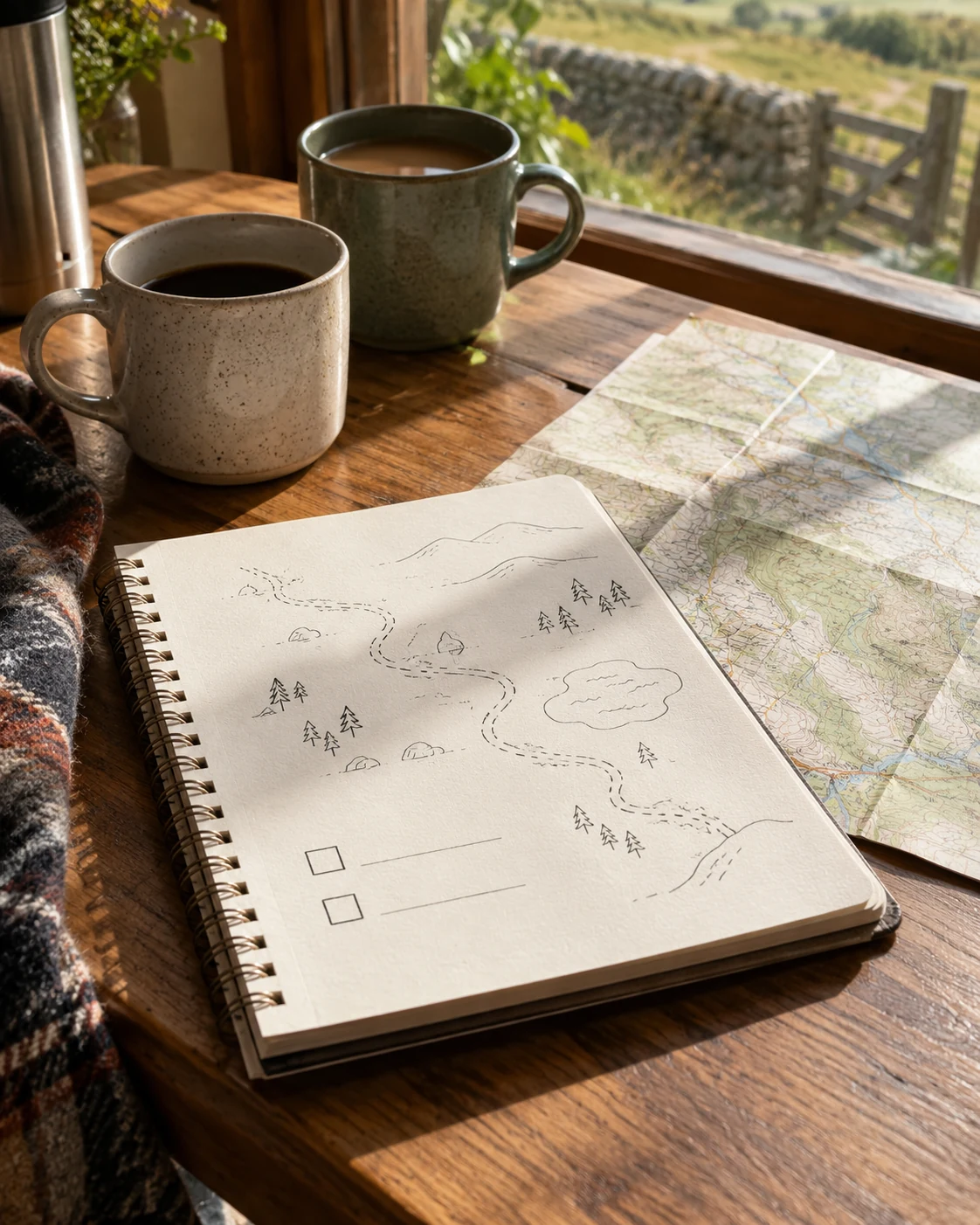
16. What modest outing would you like to make room for soon?
17. Which part would you want to plan, and which would you leave open?
18. What practical limit should we consider before choosing it?
Talk about one nearby possibility instead of trying to map your whole future. Time, money, transport and accessibility can shape the plan without spoiling the idea. Let both people name the limits that matter. You can choose a different version when the first one doesn’t fit.
Comparable options, not the exact pictured items. Check the selected color, size and buying notes.
Materials, fit and differences from the concept
- LEUCHTTURM1917 A5 dotted notebook: A5 dotted notebook. The illustrated layouts are custom concepts, not preprinted spreads; test pens on the actual paper.
- Sakura Pigma Micron 05 pens: Black Micron 05 pen, approximately 0.45 mm. Test the actual paper first; not a universal no-bleed guarantee.
Our rainy day date ideas include outings and plans for staying home. Use them as options rather than a list to complete. A workable small plan can be enough to carry forward from the conversation.
Compare the whole cost of an outing rather than discussing the ticket alone. Transport, food and the time needed to return home may change the choice. These details belong in the conversation before either person feels committed to booking.
8. Notice the everyday work between you
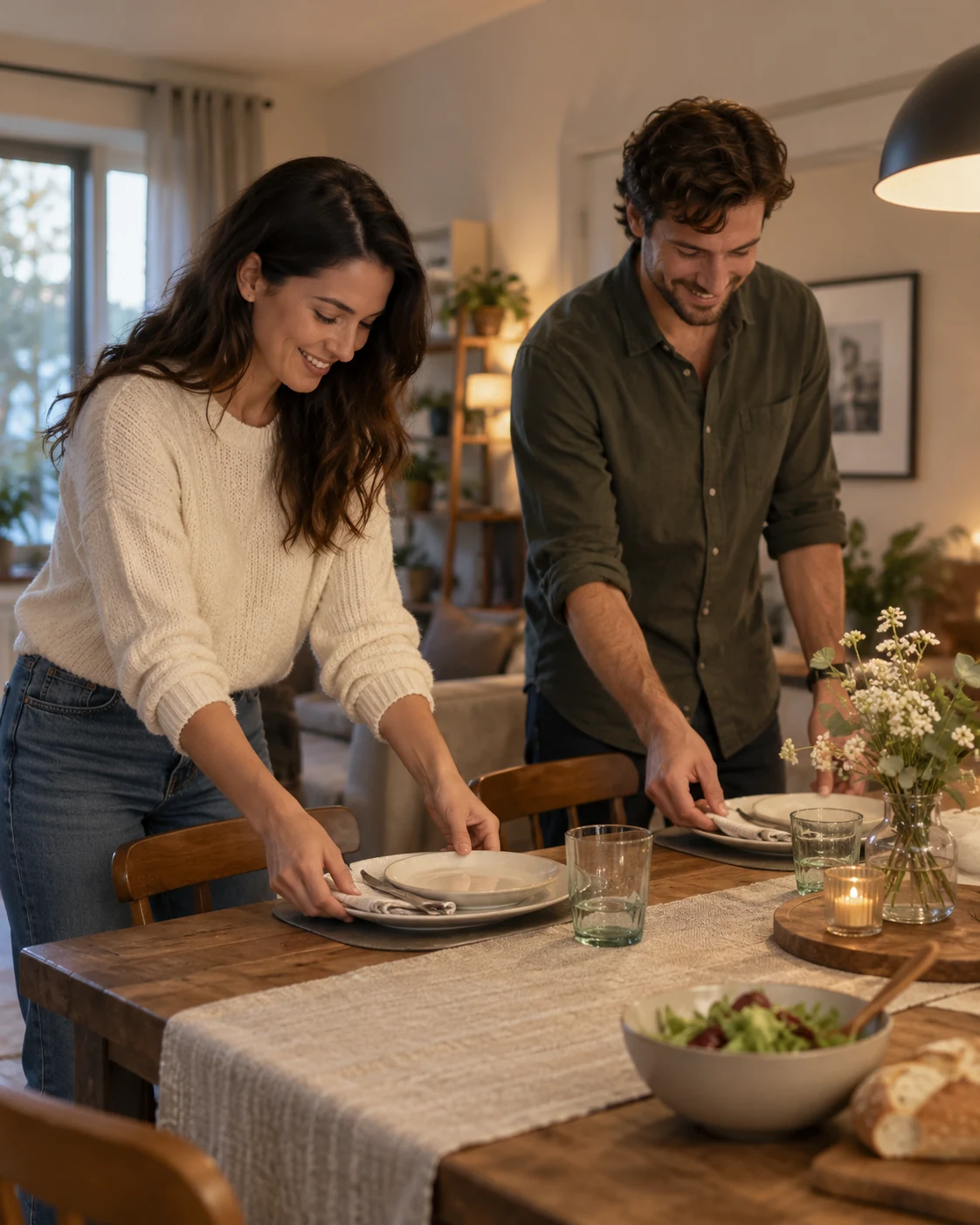
19. What ordinary thing have you appreciated someone doing recently?
20. Which shared task would benefit from a clearer agreement?
Name a concrete action rather than reaching for a broad description of someone’s character. Let appreciation stand on its own without attaching a new request immediately afterward. If the second question becomes complicated, agree on another time to discuss the practical details. Neither answer needs to become a public record.
Use the suitable pieces you already own for this idea.
You can choose only the first question if tonight isn’t a good time for household planning. Passing on a prompt doesn’t prove anything about a relationship. These questions are conversation options, rather than a test of willingness or commitment.
9. Make space for a different answer

21. Which everyday choice do you think we approach differently?
22. What do you enjoy about your own approach?
Start with a low-stakes choice, such as reading a menu or planning a free afternoon. Describe your approach without presenting the other person’s as a problem. Ask about what they value in theirs. The aim here is understanding a preference, without declaring one method correct.
Use the suitable pieces you already own for this idea.
If the example leads into an unresolved disagreement, you can leave this round. A date-night prompt doesn’t create an obligation to settle it. Change the subject or agree on a better time when both people want to return.
10. End with something you can carry forward
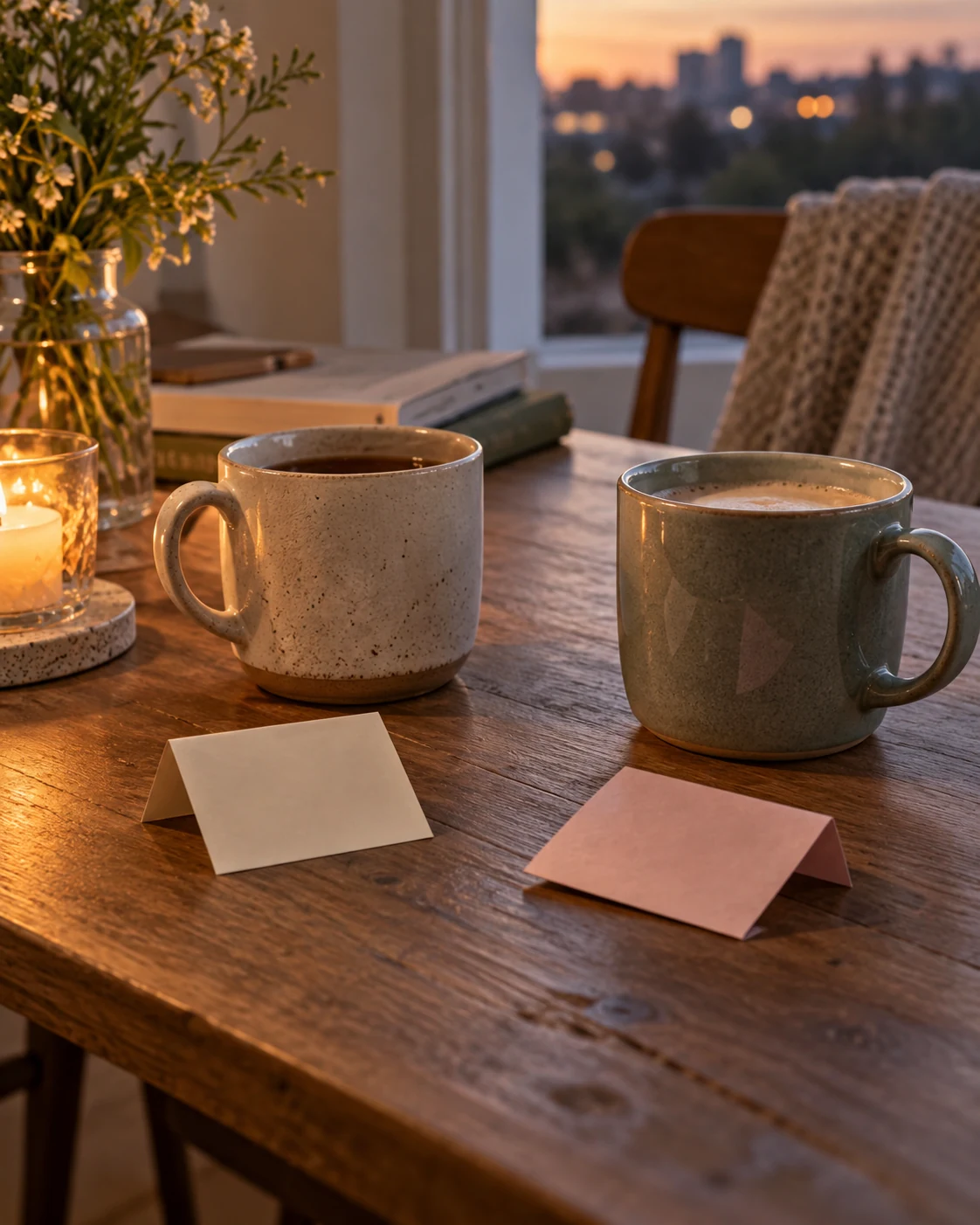
23. What would you like us to remember about this ordinary season?
24. Which small shared habit would you enjoy repeating?
25. What question would you like to choose next time?
Keep the answer proportionate to the evening. You might save one sentence on an ordinary card or simply remember the activity you enjoyed. Let both people choose whether anything needs recording. A conversation can matter without becoming an archive or a new routine.
Comparable options, not the exact pictured items. Check the selected color, size and buying notes.
Materials, fit and differences from the concept
- White blank cards and envelopes: 4×6 blank cards and envelopes. Confirm finished card and envelope dimensions; packaging terminology varies.
- Sakura Pigma Micron 05 pens: Black Micron 05 pen, approximately 0.45 mm. Test the actual paper first; not a universal no-bleed guarantee.
Our anniversary ideas at home offer ways to mark a shared moment more deliberately. Tonight can also end with clearing the table together. Stop when you’re ready, even if several questions remain unanswered.
Keep a little privacy around the conversation
Agree before recording, photographing or sharing anybody’s answer. A private date-night conversation doesn’t automatically become a message, social post or keepsake. Write only what both people are comfortable retaining, or leave the answers spoken.
Choose another activity if one person would rather spend the evening without prompts. You can keep these questions for a different occasion without making that a disappointment. A familiar game, music or a quiet meal may fit tonight better.
Visuals are original AI-generated editorial concepts, not photographs of actual products, tested projects or hosted events.


