12 Indoor Scavenger Hunt Ideas With Clues You Can Adapt
Explore the ideas
- 1. A color hunt with one obvious example
- 2. Find something with a round edge
- 3. Follow a picture clue
- 4. A soft-texture search
- 5. Find a pair that belongs together
- 6. A room-within-one-room trail
- 7. Draw the answer instead of collecting it
- 8. An alphabet hunt for confident readers
- 9. A counting clue using bigger objects
- 10. Make a sound clue together
- 11. A cooperative puzzle-piece return
- 12. Let the child design the next round
- Give the hunt a clear ending
An indoor scavenger hunt doesn’t need a printer, a prize bag or twenty hidden envelopes. Start with one room and a clue the child can understand. A short game that’s ready now often fits the afternoon better than an ambitious unfinished setup.
First decide whether the child will find objects or follow a trail. Finding objects allows several answers, while a trail needs each clue to lead somewhere specific. Explain that difference before hiding anything, so nobody accidentally carries away the next clue.
Use reachable, adult-approved places with no climbing or opening restricted storage. Children can point, draw or describe an answer instead of collecting it. Keep small pieces and supplies away from younger children, and match materials to their labeled ages.
1. A color hunt with one obvious example
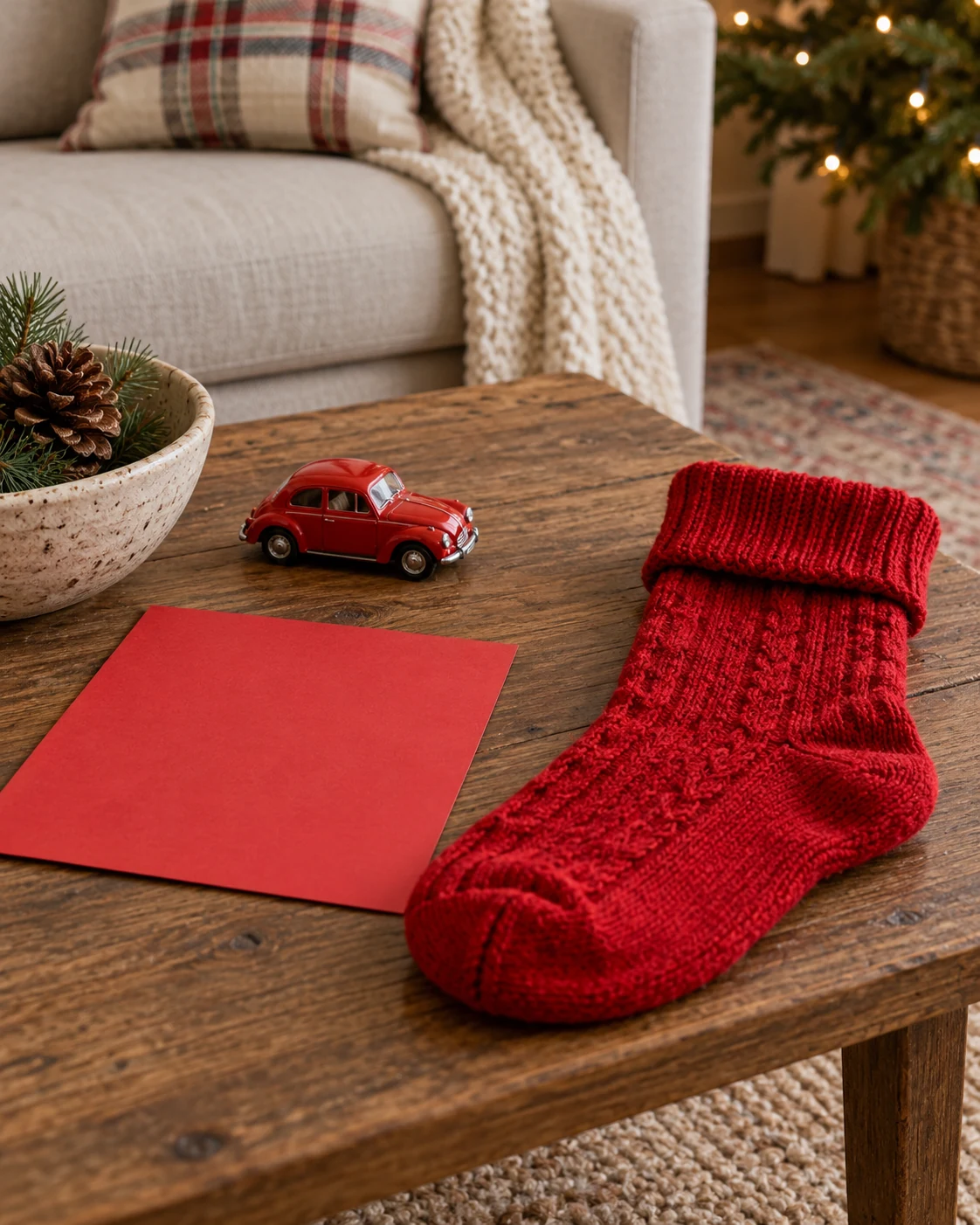
Show a red paper square and ask for something else with that color. A sock, cushion or toy might all be valid answers. Begin with a visible example so the child understands the task before searching farther.
Comparable options, not the exact pictured items. Check the selected color, size and buying notes.
Materials, fit and differences from the concept
- Astrobrights assorted cardstock: Assorted 65-pound colored cardstock. Compare thickness with folds and card blanks; a bulk pack is optional.
- mDesign clear handled storage bin: Handled clear organizer, 14-inch length. Confirm all dimensions, cabinet opening and care instructions before ordering.
For an easier round, offer two nearby objects to compare. For a harder one, ask for two different materials in the same color. Keep the color sample available rather than expecting the child to remember a long spoken list.
2. Find something with a round edge
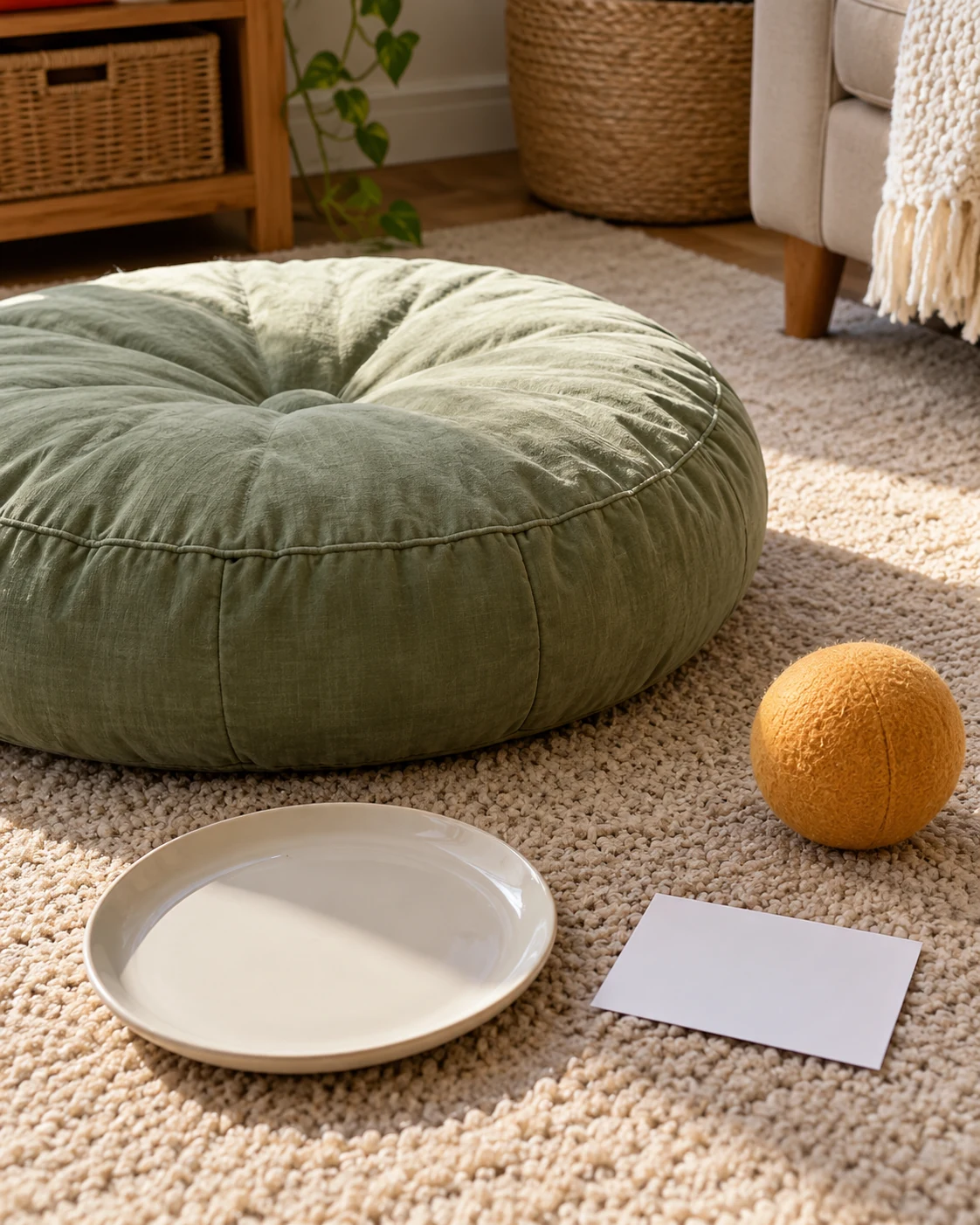
Try the clue, “Find a round edge on something we can see from here.” A plate, cushion detail or toy wheel could answer it. The open wording allows several discoveries without requiring one secret object.
Comparable options, not the exact pictured items. Check the selected color, size and buying notes.
Materials, fit and differences from the concept
- White blank cards and envelopes: 4×6 blank cards and envelopes. Confirm finished card and envelope dimensions; packaging terminology varies.
- Crayola washable broad-line markers: Crayola washable broad-line markers, 12 colors, labeled ages three and up. Washability is not a promise for every finish. Keep caps away from younger children and supervise use.
Ask the child to show the round part rather than moving the whole object. That keeps a large or fragile item in place. Try corners or straight lines next without rebuilding the whole game.
3. Follow a picture clue

Draw a simple sofa and let that picture lead to the sofa’s reachable seat. Put the next clue there before the game begins. The drawing doesn’t need realistic perspective, but it should identify a place the child recognizes.
Comparable options, not the exact pictured items. Check the selected color, size and buying notes.
Materials, fit and differences from the concept
- White blank cards and envelopes: 4×6 blank cards and envelopes. Confirm finished card and envelope dimensions; packaging terminology varies.
- Crayola washable broad-line markers: Crayola washable broad-line markers, 12 colors, labeled ages three and up. Washability is not a promise for every finish. Keep caps away from younger children and supervise use.
Check that another similar chair won’t create an accidental second answer. If the picture is confusing, describe one distinguishing feature instead of calling the guess wrong. For another round, let the child draw the clue and send an adult searching.
4. A soft-texture search
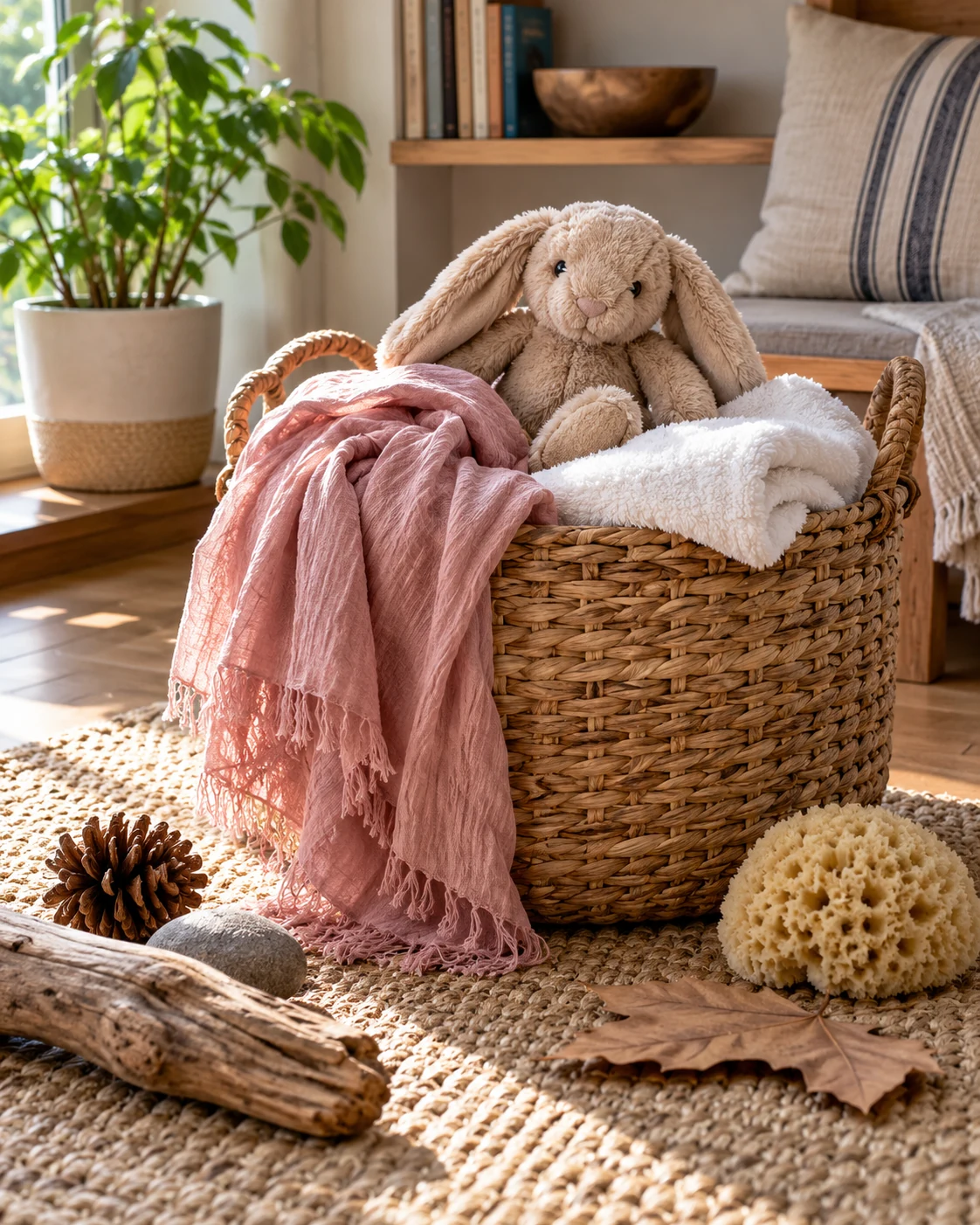
Ask for something soft that the child is allowed to touch. A clean towel, scarf or familiar stuffed toy can work. Offer the choice to look or point if touching particular textures isn’t enjoyable.
Comparable options, not the exact pictured items. Check the selected color, size and buying notes.
Materials, fit and differences from the concept
- Goodpick large rope blanket basket: Large rope blanket basket, listed 21.6×14.9×11.8 inches. A different weave from the pictured basket; confirm fit and care.
- White blank cards and envelopes: 4×6 blank cards and envelopes. Confirm finished card and envelope dimensions; packaging terminology varies.
Keep the examples large and familiar rather than hiding tiny sensory objects around the room. Compare two textures only when the child wants another challenge. The hunt can remain about noticing differences without requiring everyone to describe them the same way.
5. Find a pair that belongs together
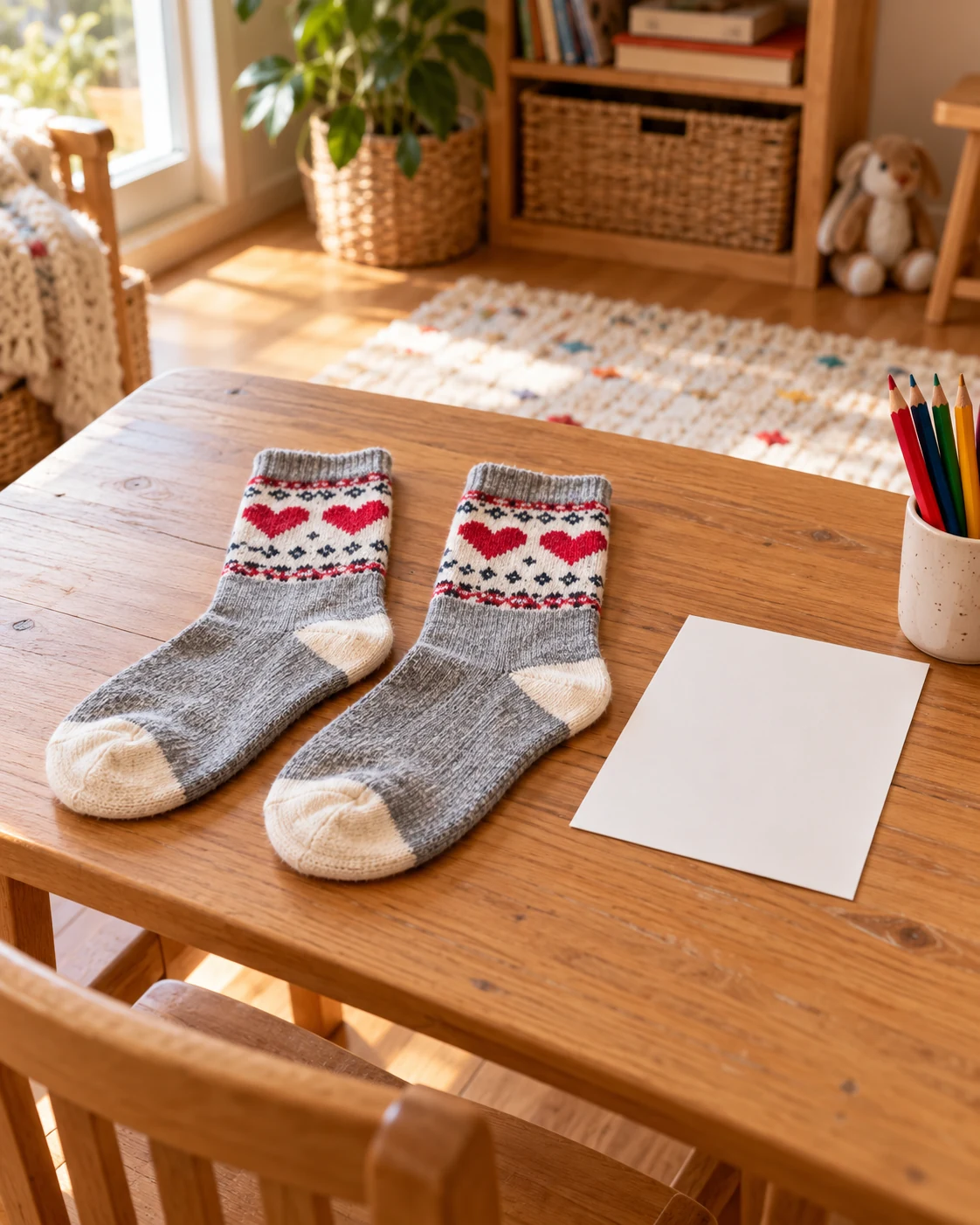
Two matching socks make an easy first example of a pair. Put one where it can be seen and ask which sock belongs beside it. You can also use a familiar large toy and its clearly matching companion.
Comparable options, not the exact pictured items. Check the selected color, size and buying notes.
Materials, fit and differences from the concept
- White blank cards and envelopes: 4×6 blank cards and envelopes. Confirm finished card and envelope dimensions; packaging terminology varies.
Explain the rule before mixing in several possible answers. Matching by color isn’t the same task as matching a complete pattern. Begin with the clearer version, then let the child suggest another rule.
6. A room-within-one-room trail

Make a short route between three reachable places in one room. A sofa seat, low book basket and clear tabletop can form the whole adventure. Walk the route yourself before giving out the first clue.
Comparable options, not the exact pictured items. Check the selected color, size and buying notes.
Materials, fit and differences from the concept
- White blank cards and envelopes: 4×6 blank cards and envelopes. Confirm finished card and envelope dimensions; packaging terminology varies.
- Crayola washable broad-line markers: Crayola washable broad-line markers, 12 colors, labeled ages three and up. Washability is not a promise for every finish. Keep caps away from younger children and supervise use.
Place each clue where it will remain visible without moving furniture or disturbing another person’s belongings. Write down the order so you can help without searching yourself. End somewhere obvious, with a shared activity rather than an elaborate hidden prize.
7. Draw the answer instead of collecting it
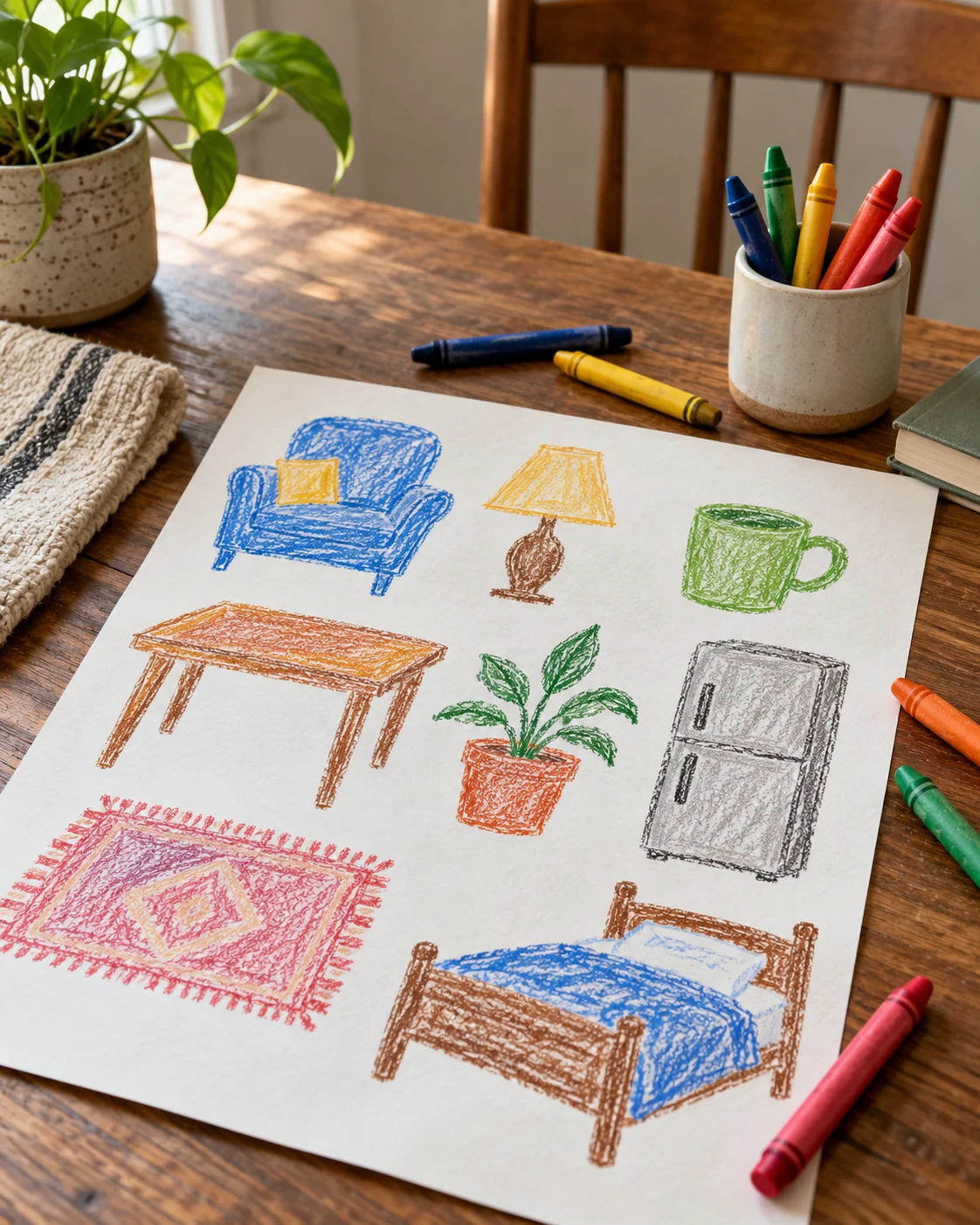
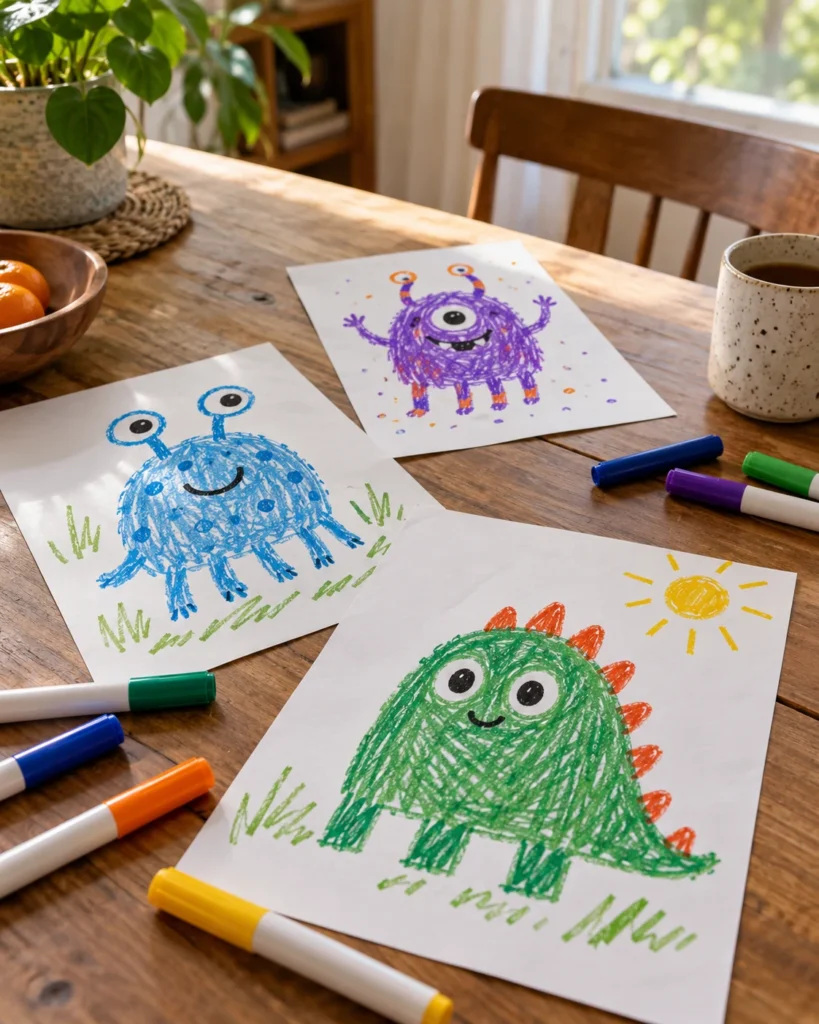
Give the child paper and ask them to sketch one thing they find. The clue might be something used for reading or something that makes a sound. A simple mark or adult-written description can stand in for a detailed drawing.
Comparable options, not the exact pictured items. Check the selected color, size and buying notes.
Materials, fit and differences from the concept
- Crayola washable crayons: Listing bullets describe two packs of 64 washable crayons. Confirm the current pack selection. Keep art supplies separate from food and follow age labeling.
This format suits objects that should stay where they are. It also gives the child a record of several discoveries without creating a pile. Keep the list short enough that drawing stays enjoyable rather than becoming another assignment.
8. An alphabet hunt for confident readers
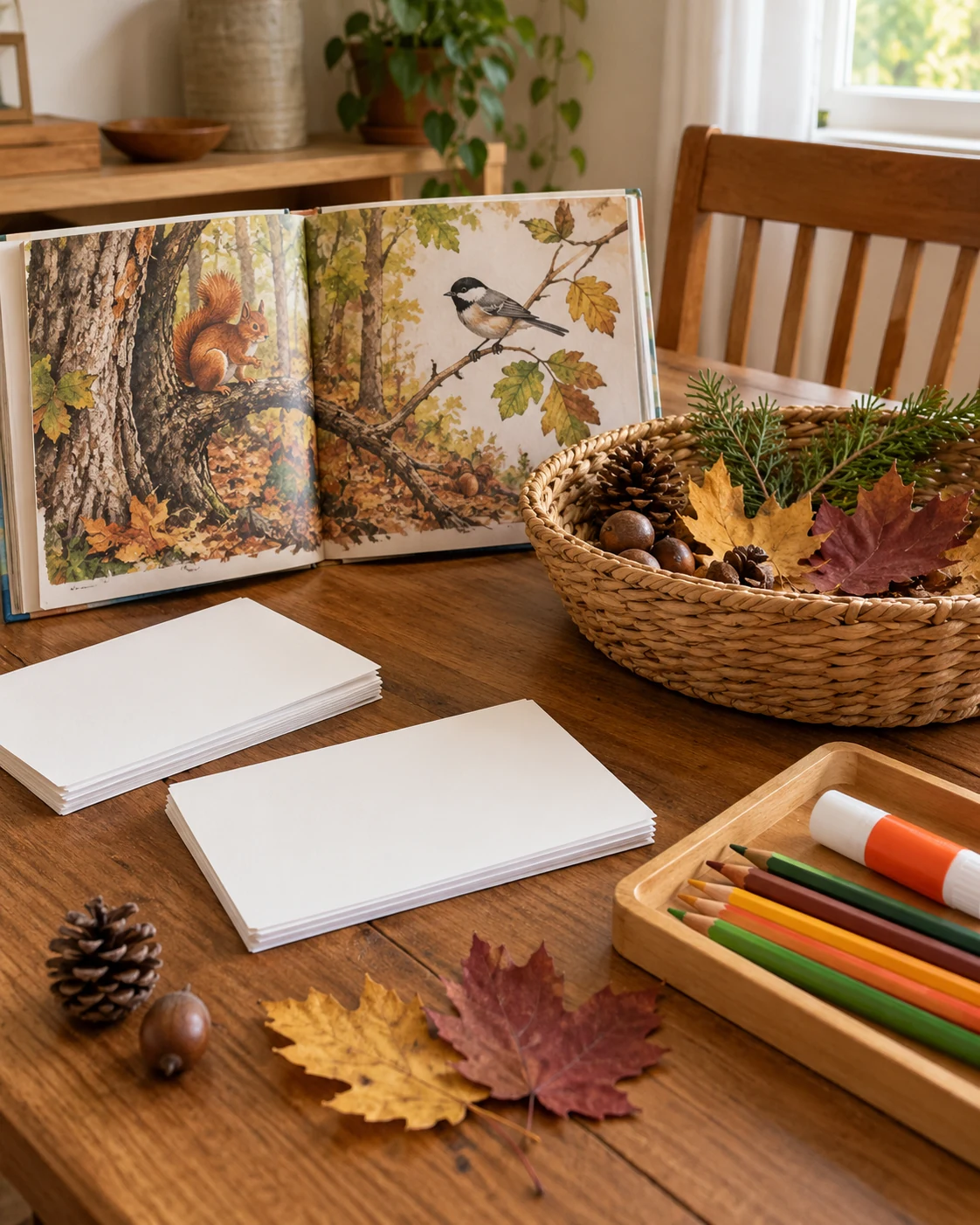
Choose one familiar starting sound or letter instead of assigning the whole alphabet. Ask for a visible object whose name begins that way. Accept the name the child normally uses, including a sensible regional word or nickname.
Comparable options, not the exact pictured items. Check the selected color, size and buying notes.
Materials, fit and differences from the concept
- White blank cards and envelopes: 4×6 blank cards and envelopes. Confirm finished card and envelope dimensions; packaging terminology varies.
- Crayola washable broad-line markers: Crayola washable broad-line markers, 12 colors, labeled ages three and up. Washability is not a promise for every finish. Keep caps away from younger children and supervise use.
Write the letter large enough to revisit during the search. An adult can read the clue aloud when needed. Don’t make this a reading test by insisting on unfamiliar words.
9. A counting clue using bigger objects
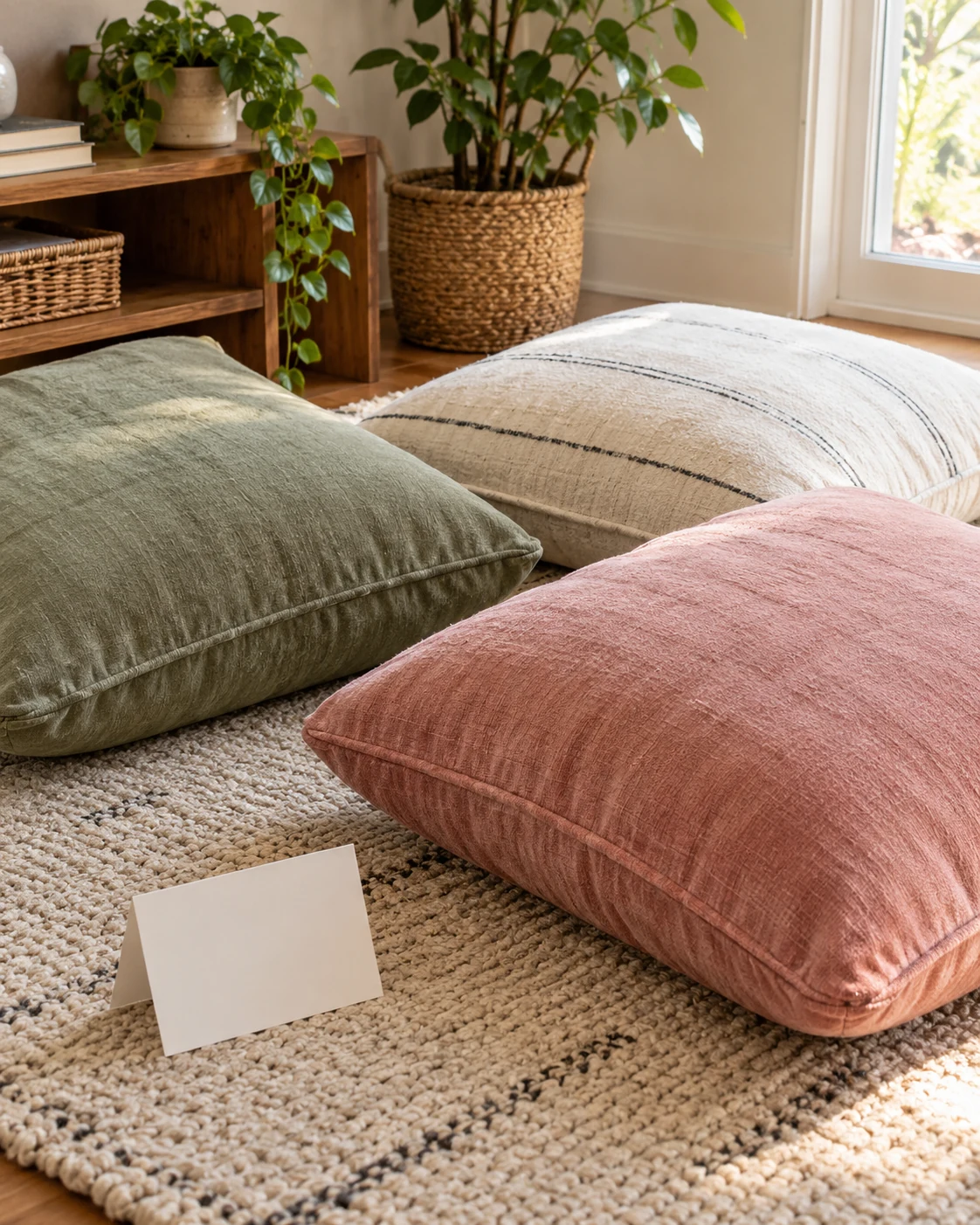
Try, “Find three cushions we can count without moving the furniture.” Point together as you count rather than asking the child to carry them. You can change the amount to match what’s plainly visible and manageable.
Comparable options, not the exact pictured items. Check the selected color, size and buying notes.
Materials, fit and differences from the concept
- White blank cards and envelopes: 4×6 blank cards and envelopes. Confirm finished card and envelope dimensions; packaging terminology varies.
Choose objects large enough to see and safe to leave in position. Avoid small coins, beads or other items that create a different handling concern. The game doesn’t become more useful merely because the pieces are harder to spot.
10. Make a sound clue together
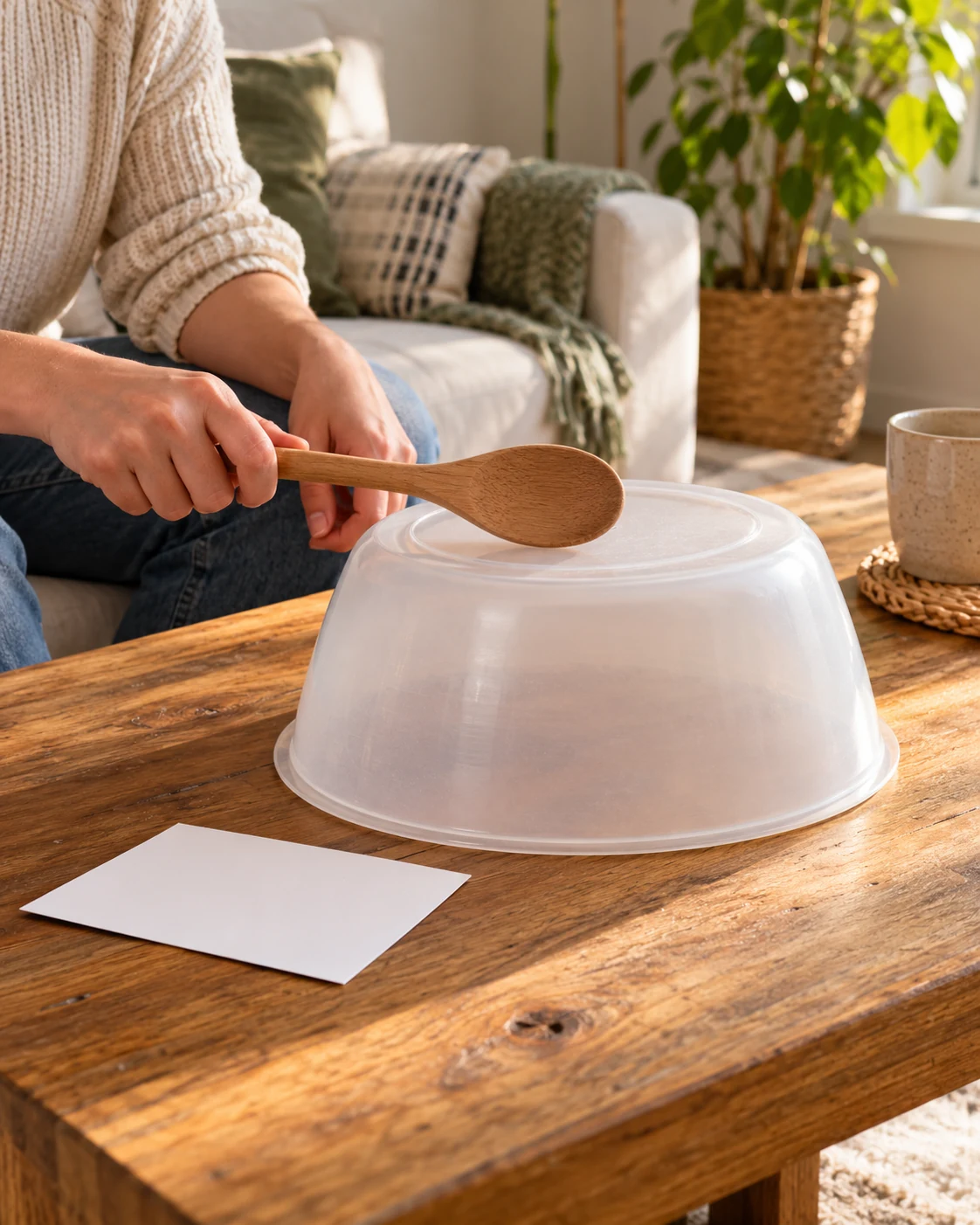
An adult can gently tap a familiar bowl with a wooden spoon, then reveal the source. Ask which approved object could make a similar sound. Keep the volume comfortable and skip the guessing element if surprise sounds aren’t enjoyable.
Comparable options, not the exact pictured items. Check the selected color, size and buying notes.
Materials, fit and differences from the concept
- White blank cards and envelopes: 4×6 blank cards and envelopes. Confirm finished card and envelope dimensions; packaging terminology varies.
Use only the materials you’ve chosen for the activity. A sound hunt shouldn’t send children experimenting with appliances or fragile household items. You can reverse the roles after agreeing which objects are available to touch.
11. A cooperative puzzle-piece return

Draw a simple picture on paper and divide it into a few large pieces. An adult can prepare the cuts before hiding pieces in approved visible places. Bring each discovery back to one table and build the picture together.
Comparable options, not the exact pictured items. Check the selected color, size and buying notes.
Materials, fit and differences from the concept
- Astrobrights assorted cardstock: Assorted 65-pound colored cardstock. Compare thickness with folds and card blanks; a bulk pack is optional.
- Fiskars blunt-tip children’s scissors: Pink five-inch Fiskars blunt-tip scissors, labeled ages four to seven and right-handed. Blunt tips still require supervision. Choose an appropriate handed version when needed.
Use pieces suited to the child’s age and handling, with no tiny detachable decorations. A partner can help assemble while another person searches. If you want more ideas afterward, our rainy-day activity setups include drawing and construction alternatives.
12. Let the child design the next round
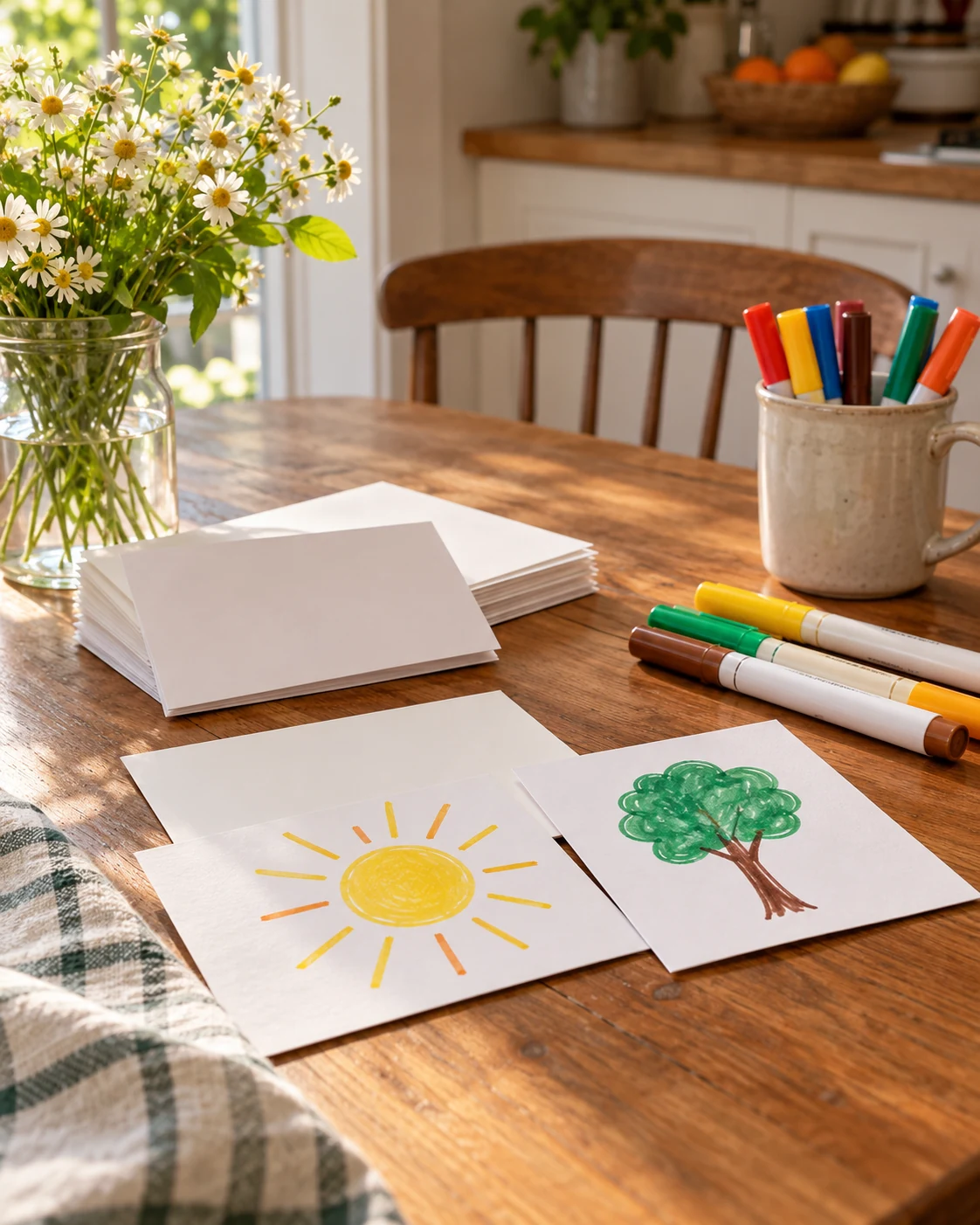
Once the format is familiar, invite the child to choose an approved hiding spot. They can draw the clue, dictate it or show you a starting object. Let an adult confirm the route before someone begins searching.
Comparable options, not the exact pictured items. Check the selected color, size and buying notes.
Materials, fit and differences from the concept
- Crayola washable broad-line markers: Crayola washable broad-line markers, 12 colors, labeled ages three and up. Washability is not a promise for every finish. Keep caps away from younger children and supervise use.
- White blank cards and envelopes: 4×6 blank cards and envelopes. Confirm finished card and envelope dimensions; packaging terminology varies.
Keep the same household boundaries even when the child becomes the game designer. The adult can model asking for a hint without treating difficulty as failure. End when the new designer is satisfied, without adding rounds merely to extend the activity.
Give the hunt a clear ending
Tell players how many discoveries or trail stops belong to this round. You can hold the finished clues together so progress stays visible. Stop early if the game has already done its job and someone wants another activity.
Skip a timer unless everyone actually enjoys that pressure. A cooperative version can let one person search while another checks the picture clues. Nobody needs to lose their turn because they move, read or notice things differently.
Keep the reusable supplies simple: paper, suitable markers and somewhere to put the clues afterward. Our small craft-station guide can help you store that kit between games. The next hunt can use the same materials with a different question.
Visuals are original AI-generated editorial concepts, not photographs of actual products, tested projects or hosted events.