10 Kids Nature Journal Ideas That Begin With Looking Closely
Explore the ideas
- 1. Draw one leaf without picking it
- 2. Record the weather from one safe place
- 3. Find three colors in the same view
- 4. Draw a bird's outline from the window
- 5. Compare two tree shapes
- 6. Follow the edge of a shadow
- 7. Notice a sound and draw its source
- 8. Look closely at a flower still growing
- 9. Return to the same observation place
- 10. Keep one question for the next visit
- Keep the kit small enough to use
- Let the page show what the child noticed
A leaf doesn’t need to become a beautiful drawing to earn a page. Kids’ nature journal ideas can start with noticing one edge, color or ordinary change. Let the page record the observation without grading its resemblance to another sketch.
Choose a familiar place where the child can observe comfortably with appropriate supervision. A closed window, accessible bench or ordinary garden spot can offer plenty to notice. You don’t need a special trip, collected specimens or a new set of drawing supplies.
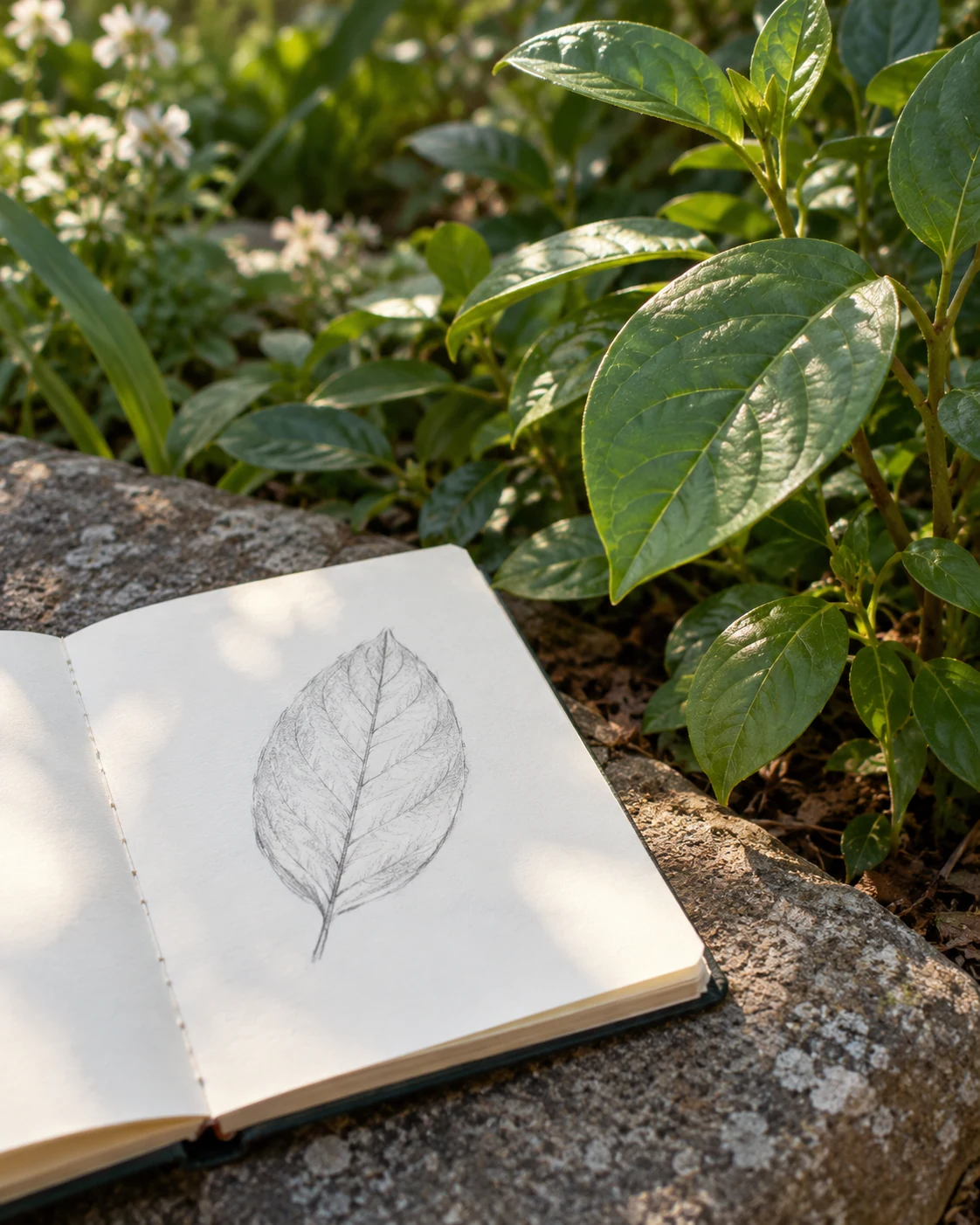
Use paper and age-appropriate materials already available when possible. The illustrated notebooks show examples of page directions, rather than real children’s work or tested results. Leave living plants and animals in place while choosing what to draw or describe.
1. Draw one leaf without picking it
Choose a leaf the child can see clearly from a comfortable position. Begin with its broad outline rather than naming the plant. Notice whether the edge looks smooth, wavy or divided. Add one visible vein only after the main shape is on the page.
Comparable options, not the exact pictured items. Check the selected color, size and buying notes.
Materials, fit and differences from the concept
- LEUCHTTURM1917 A5 dotted notebook: A5 dotted notebook. The illustrated layouts are custom concepts, not preprinted spreads; test pens on the actual paper.
- Sakura Pigma Micron 05 pens: Black Micron 05 pen, approximately 0.45 mm. Test the actual paper first; not a universal no-bleed guarantee.
Ask what seems different between the leaf’s middle and its edge. Let the child point or describe while an adult writes, if that works better. You can leave the species name blank instead of guessing from an unfinished drawing.
The leaf can stay on the plant throughout the activity. Move to another visible example when reaching it would require climbing or disturbing something. The useful detail is the one the child can actually observe from the chosen spot.
2. Record the weather from one safe place
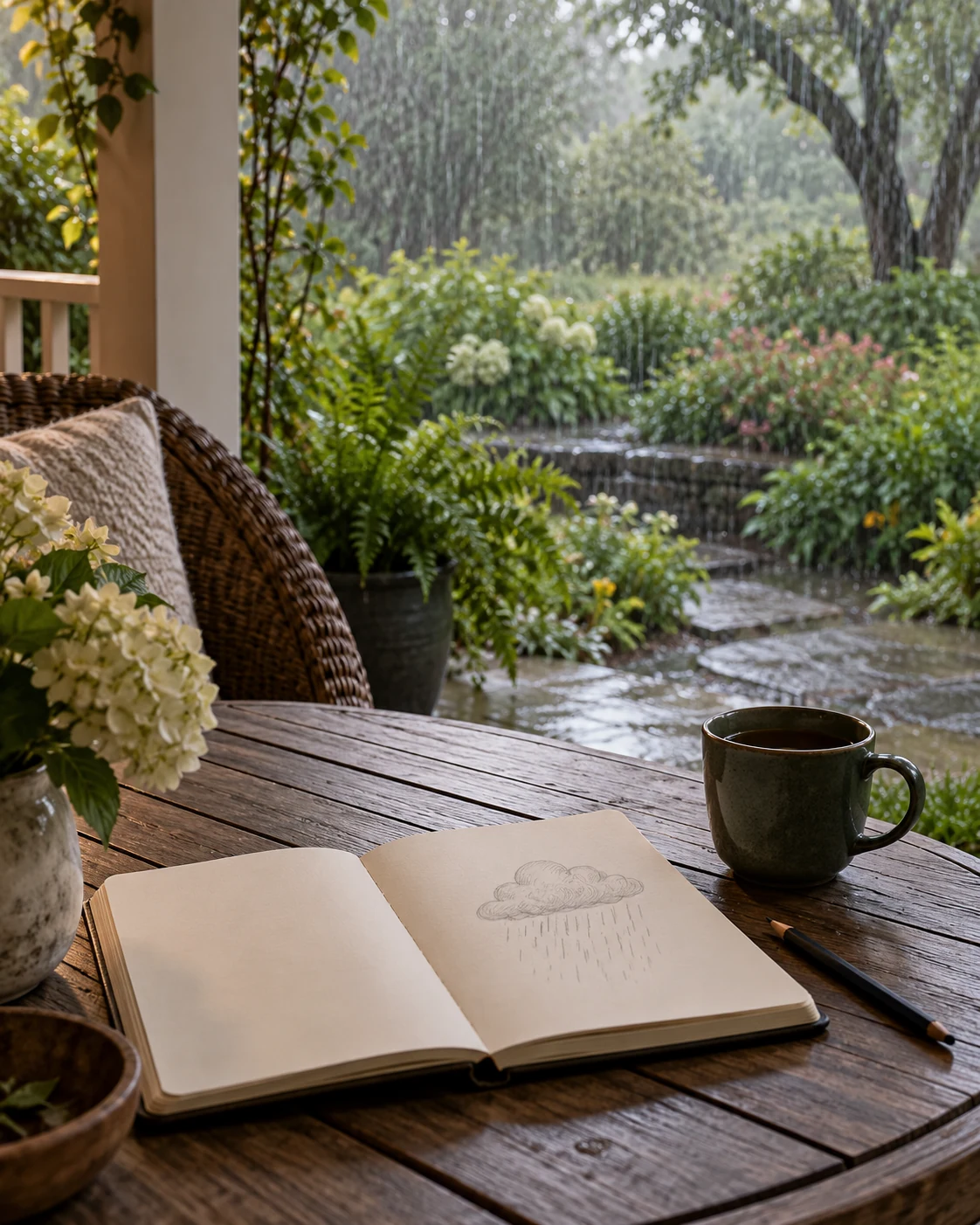
Look at the sky or garden from a sheltered, appropriate observation spot. Choose one visible detail, such as clouds, moving branches or rain on the window. Draw that detail before adding a word about the weather. Keep the page dry rather than turning the activity into a test of the notebook’s materials.
Comparable options, not the exact pictured items. Check the selected color, size and buying notes.
Materials, fit and differences from the concept
- LEUCHTTURM1917 A5 dotted notebook: A5 dotted notebook. The illustrated layouts are custom concepts, not preprinted spreads; test pens on the actual paper.
- Sakura Pigma Micron 05 pens: Black Micron 05 pen, approximately 0.45 mm. Test the actual paper first; not a universal no-bleed guarantee.
Avoid treating one drawing as a forecast. A page can simply describe what was visible during that visit. When conditions are uncomfortable outside, observe through a closed window instead.
3. Find three colors in the same view
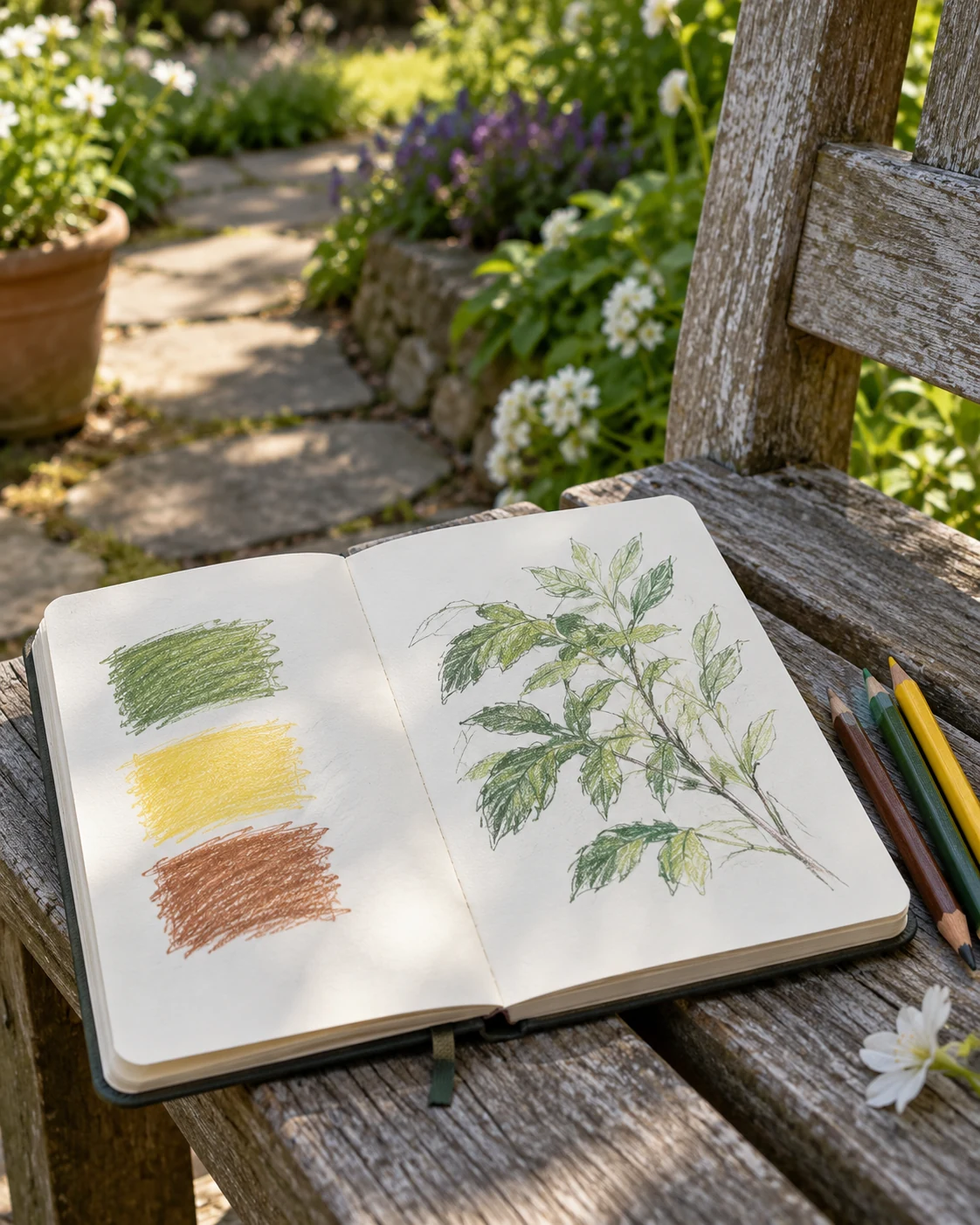
Choose a modest view rather than searching an entire park. Notice three colors and make a small mark for each on the page. They might come from grass, a flower or the bark of a nearby tree. The shades don’t need to match the drawing materials exactly.
Comparable options, not the exact pictured items. Check the selected color, size and buying notes.
Materials, fit and differences from the concept
- LEUCHTTURM1917 A5 dotted notebook: A5 dotted notebook. The illustrated layouts are custom concepts, not preprinted spreads; test pens on the actual paper.
- Crayola washable crayons: Listing bullets describe two packs of 64 washable crayons. Confirm the current pack selection. Keep art supplies separate from food and follow age labeling.
Let the child describe a color when no suitable crayon is available. A note such as pale green still preserves the observation. Keep the exercise about looking, without requiring another purchase to complete a perfect set of swatches.
4. Draw a bird's outline from the window
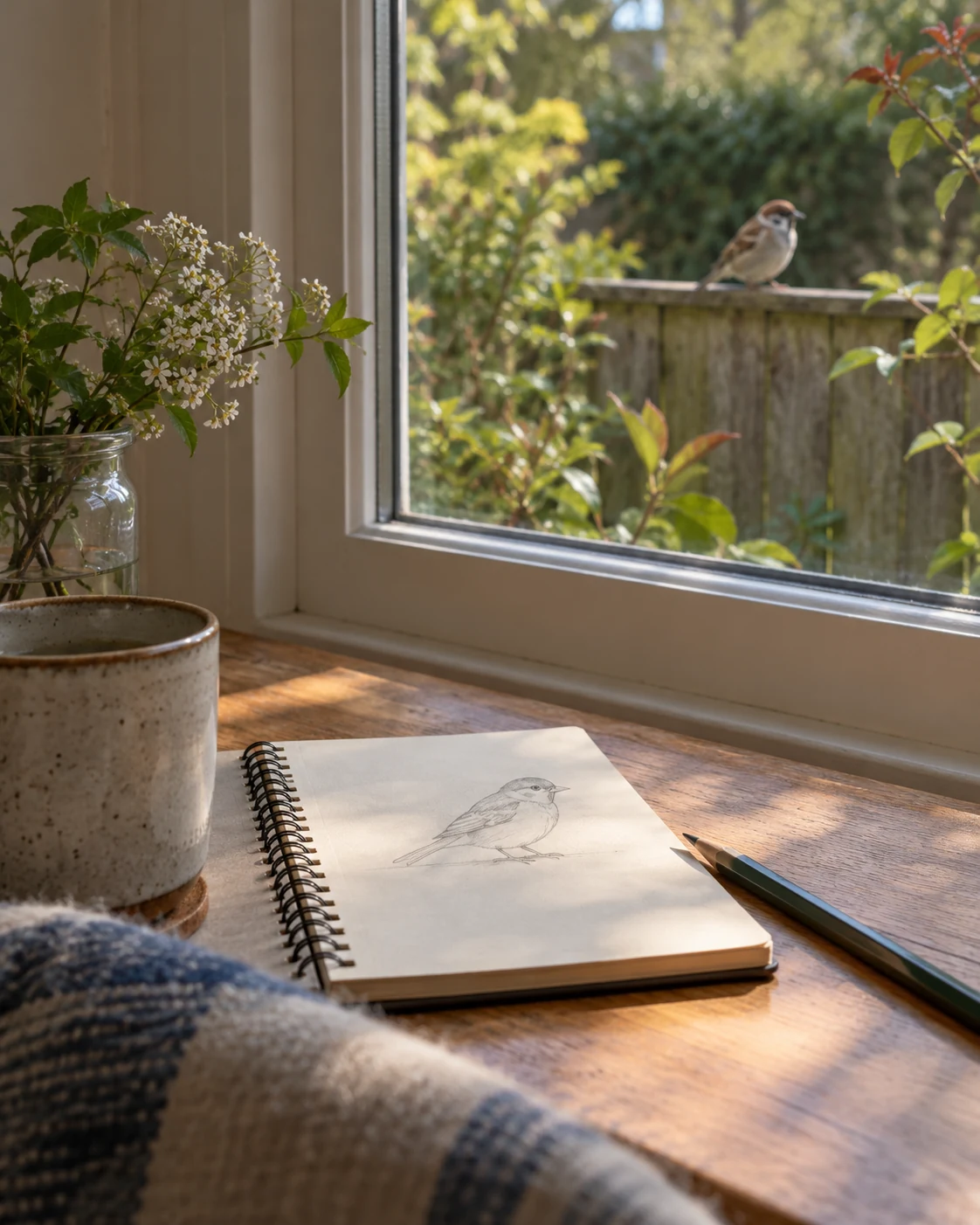
Watch an ordinary bird from a suitable distance without approaching or handling it. Begin with the broad body shape and the direction of its tail. A quick small outline can be enough before the bird moves. Add remembered details separately rather than pretending the whole drawing came from a still pose.
Comparable options, not the exact pictured items. Check the selected color, size and buying notes.
Materials, fit and differences from the concept
- LEUCHTTURM1917 A5 dotted notebook: A5 dotted notebook. The illustrated layouts are custom concepts, not preprinted spreads; test pens on the actual paper.
- Sakura Pigma Micron 05 pens: Black Micron 05 pen, approximately 0.45 mm. Test the actual paper first; not a universal no-bleed guarantee.
Leave the name undecided when identification isn’t clear. Describe the visible color, size relative to something nearby and the place it was sitting. An adult can help investigate later without changing the original observation to fit an assumed answer.
5. Compare two tree shapes
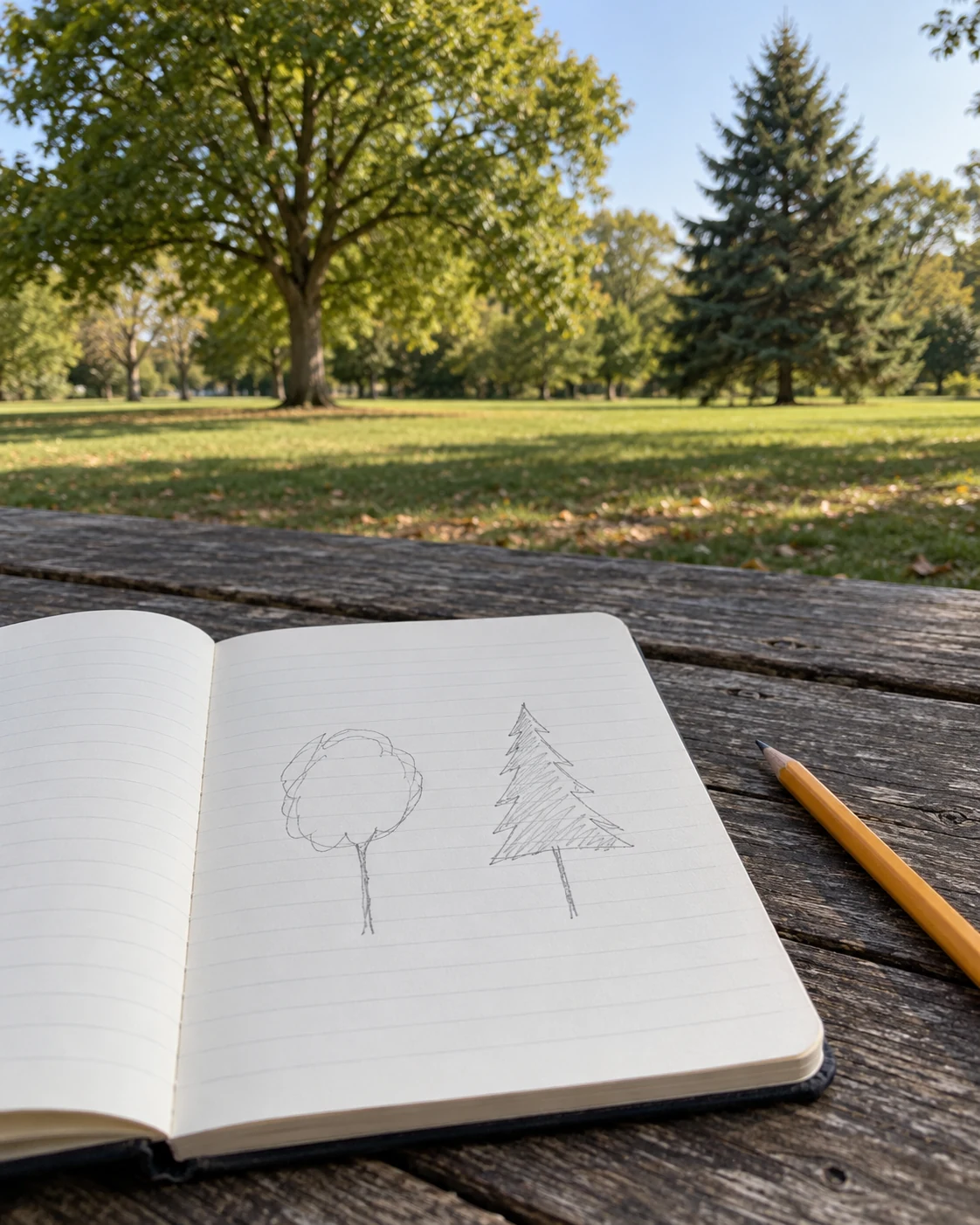
Choose two trees visible from the same comfortable place. Draw their broad outlines before adding trunks or branches. Notice whether one spreads widely while the other rises more narrowly. Keep the shapes simple enough that the child can compare them on the same page.
Comparable options, not the exact pictured items. Check the selected color, size and buying notes.
Materials, fit and differences from the concept
- LEUCHTTURM1917 A5 dotted notebook: A5 dotted notebook. The illustrated layouts are custom concepts, not preprinted spreads; test pens on the actual paper.
- Sakura Pigma Micron 05 pens: Black Micron 05 pen, approximately 0.45 mm. Test the actual paper first; not a universal no-bleed guarantee.
The trees don’t need detailed labels to make the comparison useful. Add a short description of the difference the child noticed first. A later visit can return to that same difference instead of starting another unrelated page.
6. Follow the edge of a shadow
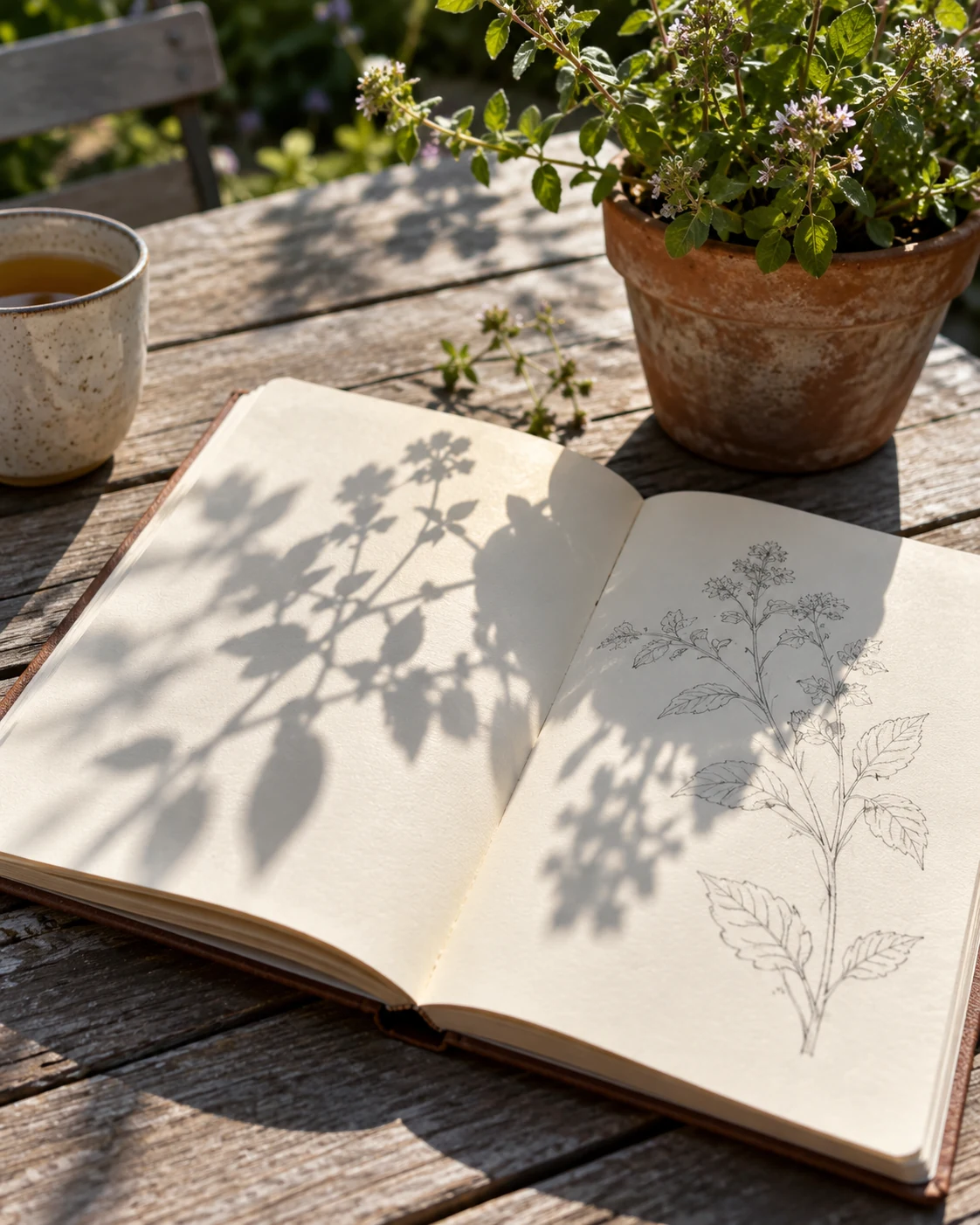
Look for a visible plant shadow falling across a suitable surface. Draw its broad outline from the chosen position. Notice where the shadow becomes softer or overlaps another shape. Avoid moving the plant merely to make the page resemble an example.
Comparable options, not the exact pictured items. Check the selected color, size and buying notes.
Materials, fit and differences from the concept
- LEUCHTTURM1917 A5 dotted notebook: A5 dotted notebook. The illustrated layouts are custom concepts, not preprinted spreads; test pens on the actual paper.
- Sakura Pigma Micron 05 pens: Black Micron 05 pen, approximately 0.45 mm. Test the actual paper first; not a universal no-bleed guarantee.
You can return later and compare what is visible then. Record the observation time if that helps distinguish the pages. Don’t expect the shadow to fall in the same place under different light.
7. Notice a sound and draw its source
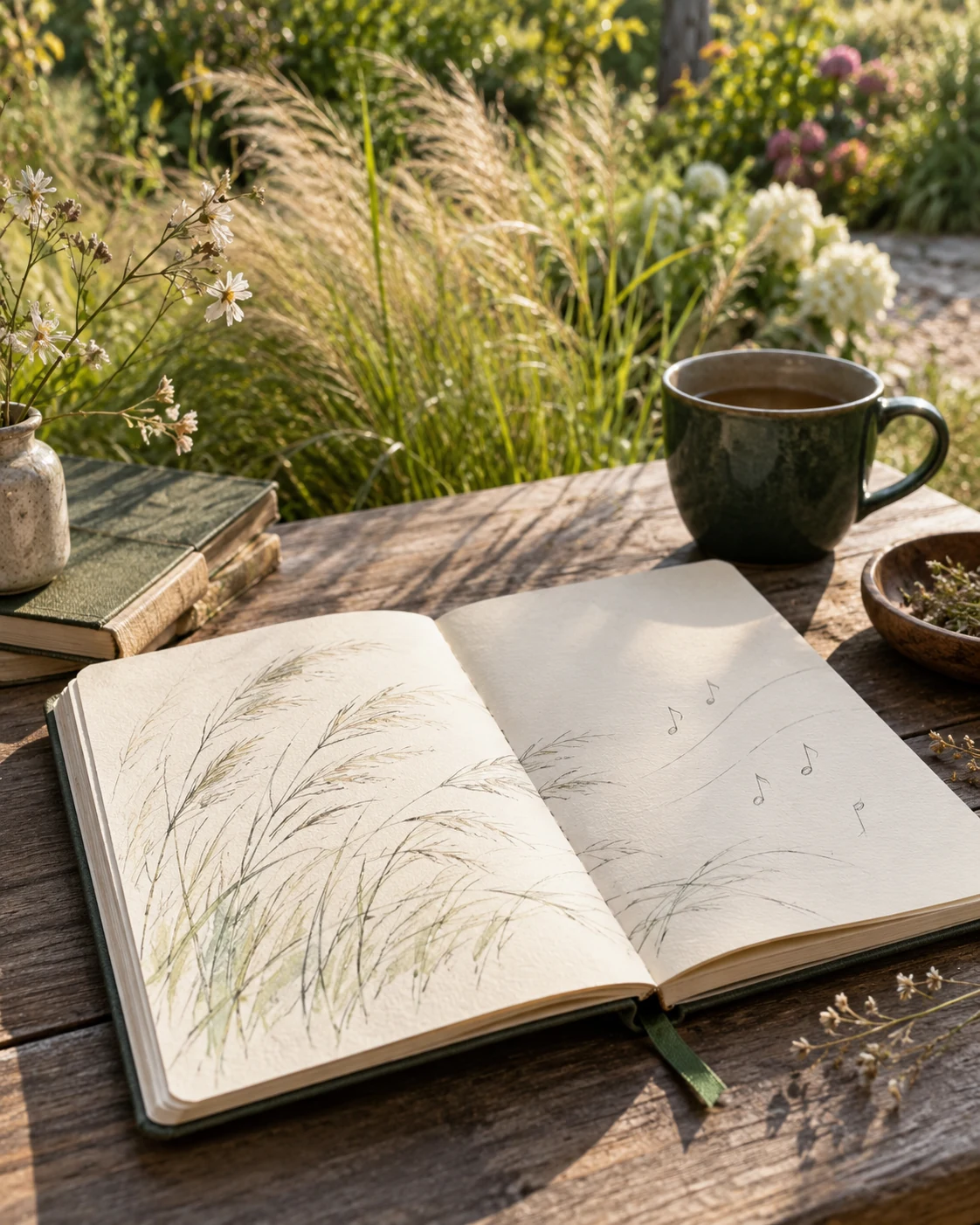
Pause somewhere comfortable and choose one sound the child notices. Ask whether its source is visible, such as moving leaves or a bird on a fence. Draw what can actually be seen. Leave the source uncertain when the sound doesn’t reveal where it came from.
Comparable options, not the exact pictured items. Check the selected color, size and buying notes.
Materials, fit and differences from the concept
- LEUCHTTURM1917 A5 dotted notebook: A5 dotted notebook. The illustrated layouts are custom concepts, not preprinted spreads; test pens on the actual paper.
- Sakura Pigma Micron 05 pens: Black Micron 05 pen, approximately 0.45 mm. Test the actual paper first; not a universal no-bleed guarantee.
A simple mark can stand for the sound beside the drawing. There is no correct artistic symbol the child must reproduce. Keep the volume and setting comfortable, and move to another prompt when listening isn’t appealing today.
8. Look closely at a flower still growing
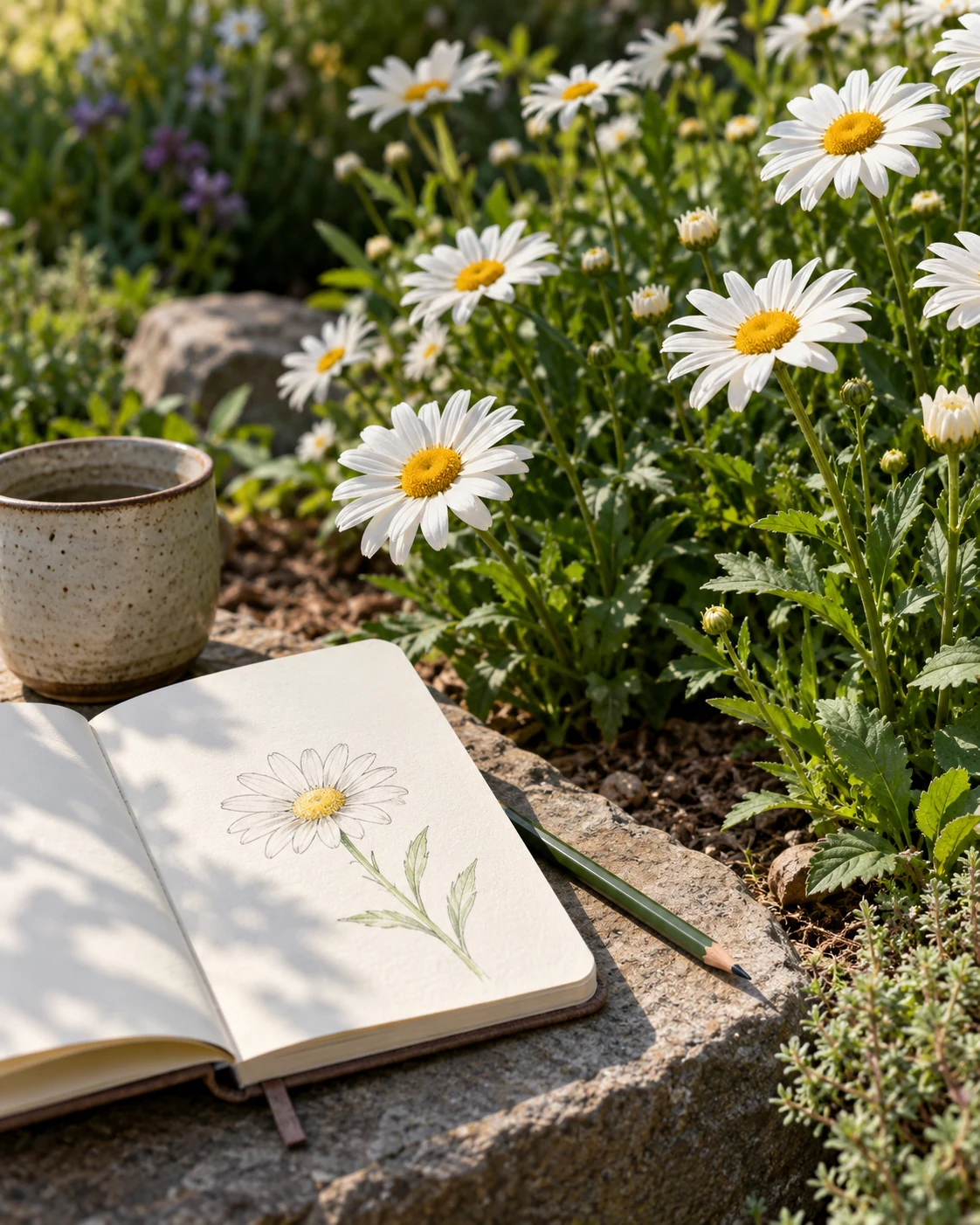
Choose one flower visible without reaching into an unfamiliar planting area. Start with the center and the broad arrangement of petals. Notice their direction and whether the edges overlap. A simplified drawing can preserve those relationships without recording every small line.
Comparable options, not the exact pictured items. Check the selected color, size and buying notes.
Materials, fit and differences from the concept
- LEUCHTTURM1917 A5 dotted notebook: A5 dotted notebook. The illustrated layouts are custom concepts, not preprinted spreads; test pens on the actual paper.
- Crayola washable crayons: Listing bullets describe two packs of 64 washable crayons. Confirm the current pack selection. Keep art supplies separate from food and follow age labeling.
Keep the flower in place and use the view already available. Don’t ask the child to handle unfamiliar plants to complete the activity. Draw a different example when the first one is difficult to see clearly.
9. Return to the same observation place
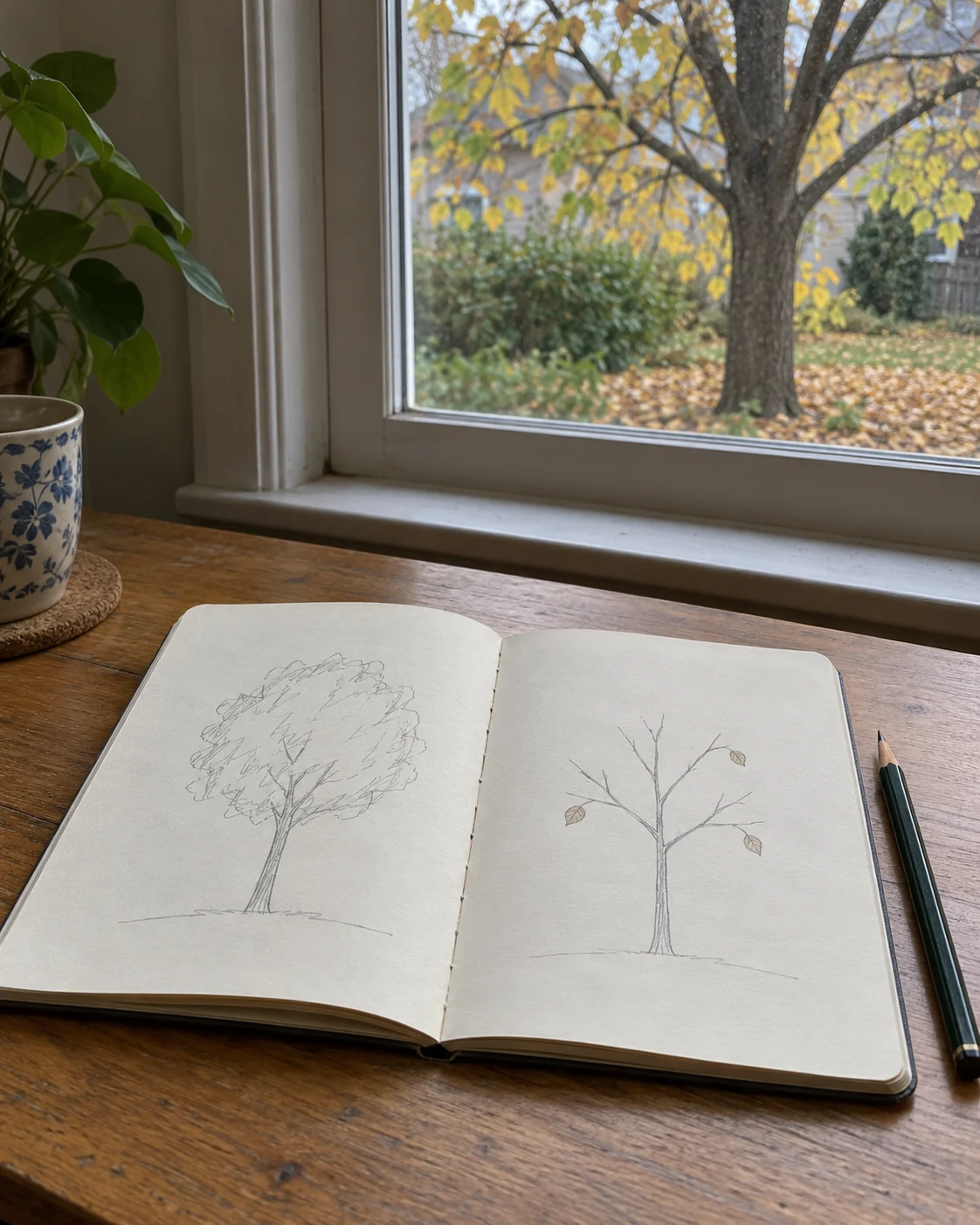
Choose a familiar tree, planter or patch of sky worth revisiting. Leave another page available for the next observation. Compare something specific, such as the amount of visible foliage or the position of a shadow. Avoid making change compulsory when the view still looks similar.
Comparable options, not the exact pictured items. Check the selected color, size and buying notes.
Materials, fit and differences from the concept
- LEUCHTTURM1917 A5 dotted notebook: A5 dotted notebook. The illustrated layouts are custom concepts, not preprinted spreads; test pens on the actual paper.
- Sakura Pigma Micron 05 pens: Black Micron 05 pen, approximately 0.45 mm. Test the actual paper first; not a universal no-bleed guarantee.
Record the ordinary conditions surrounding each visit when that seems helpful. A date and a short weather note may be enough. Record what you observed each time without exaggerating the change between visits.
10. Keep one question for the next visit
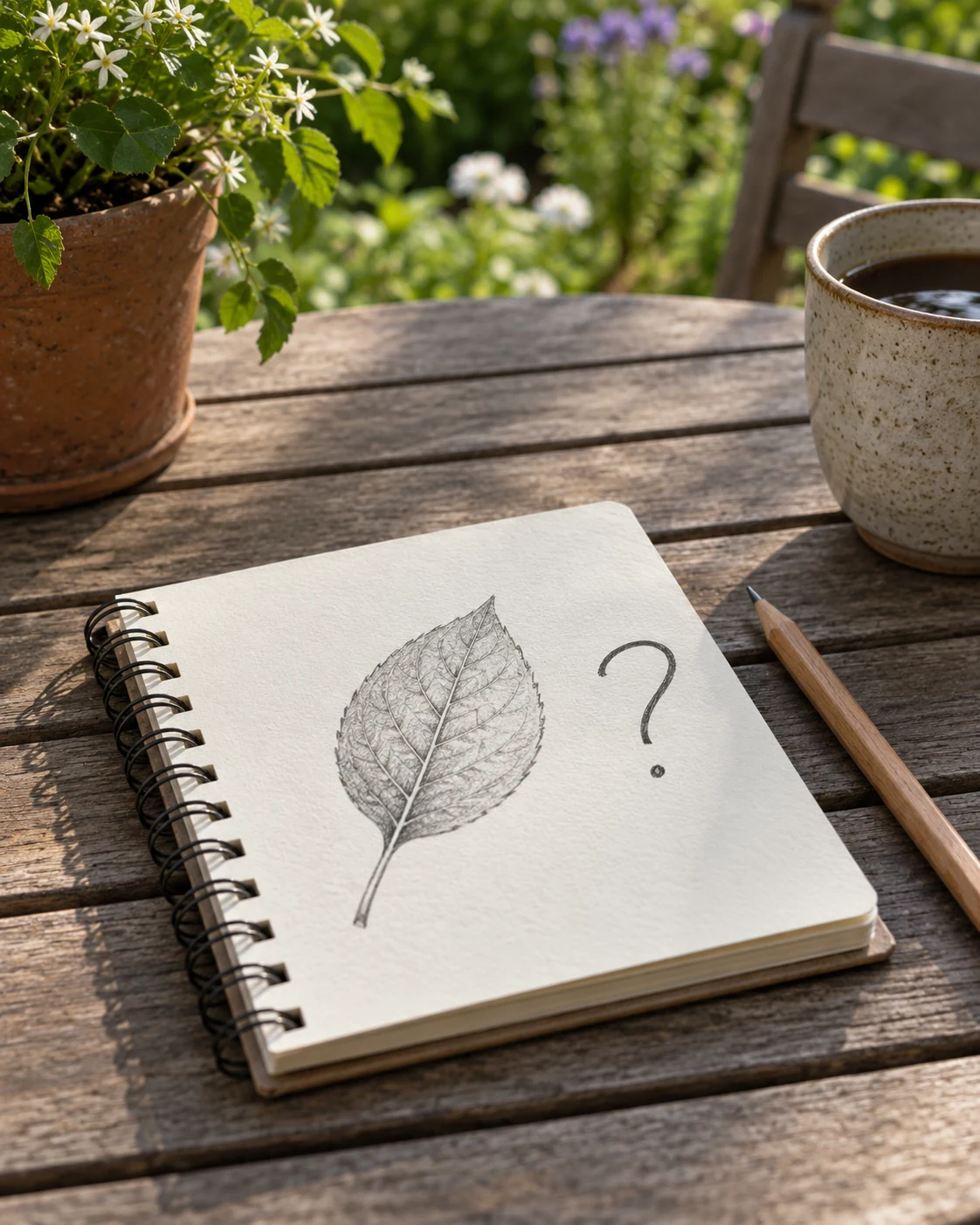
Finish with something the child would like to notice again. It might concern a leaf’s edge, a bird’s usual perch or a flower’s changing appearance. Write the question in the child’s own ordinary language. Leave space for another observation without promising that the next visit will answer it.
Comparable options, not the exact pictured items. Check the selected color, size and buying notes.
Materials, fit and differences from the concept
- LEUCHTTURM1917 A5 dotted notebook: A5 dotted notebook. The illustrated layouts are custom concepts, not preprinted spreads; test pens on the actual paper.
- Sakura Pigma Micron 05 pens: Black Micron 05 pen, approximately 0.45 mm. Test the actual paper first; not a universal no-bleed guarantee.
An adult can write while the child points, speaks or draws. The journal doesn’t need to become handwriting practice unless that is also welcome. Keep the observation recognizable even when the page uses several different ways to record it.
Keep the kit small enough to use
Start with a few sheets or an existing notebook and suitable drawing materials. A large collection can be harder to carry and put away than a modest kit. Choose the format around where the child will sit or stand while observing.
Check whether the paper and materials suit the setting before taking them outside. A regular notebook isn’t automatically weatherproof, and ordinary ink may not be erasable. Keep finished pages dry and store the kit where it can be found again.
Our indoor scavenger hunt formats offer another way to begin with familiar observations. Keep the two activities distinct when choosing today’s plan. A nature journal can explore one small subject without racing to collect everything visible.
Let the page show what the child noticed
Ask about one detail on the page before offering corrections or another subject. The child may have noticed something different from the adult beside them. Preserve that explanation with a short note when they want it recorded.
Stop when the activity has reached a comfortable ending, even with an unfinished drawing. You can leave a page open for another visit. A recognizable observation and a small question provide a useful place to begin next time.
Visuals are original AI-generated editorial concepts, not photographs of actual products, tested projects or hosted events.