Small Front Yard Ideas That Start With a Practical Plan
Explore the guide
- 1. Lead with a clear route to the door
- 2. Keep the window border low
- 3. Repeat a small sunny planting group
- 4. Use foliage in a shaded bed
- 5. Group plants suited to the dry side
- 6. Pause over a persistently damp patch
- 7. Give a useful lawn one simple shape
- 8. Concentrate planting in one corner
- 9. Respect an existing tree
- 10. Try one manageable porch container
- 11. Keep the watering point reachable
- 12. Leave service equipment accessible
- 13. Preserve the driveway sightline
- 14. Plan for the season without flowers
- 15. Finish one manageable stage first
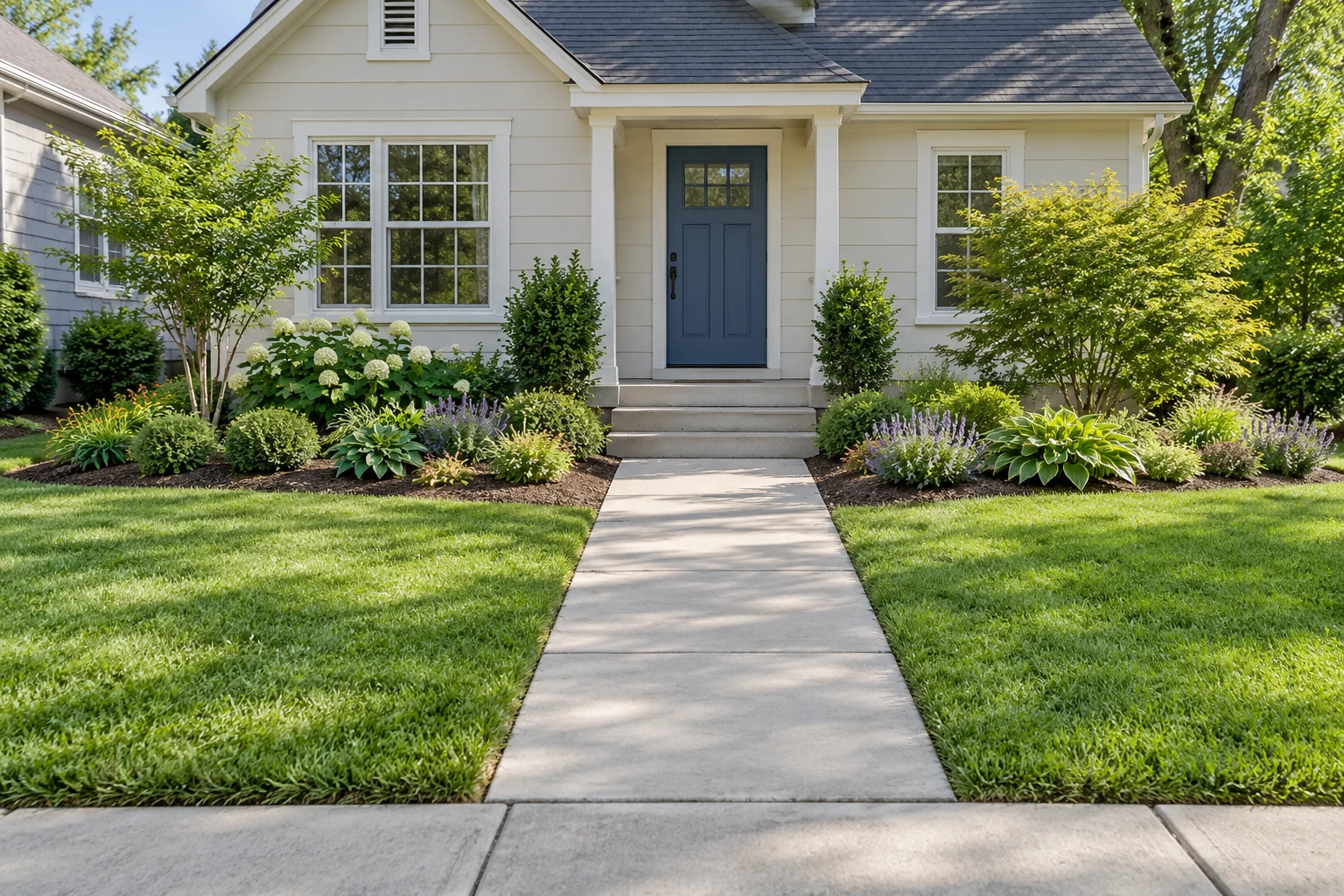
Useful small front yard landscaping ideas leave space for the things you already do outside. You still need to reach the door, water plants and maintain whatever you keep. A pretty border becomes frustrating when its mature growth swallows the only walking route.
Start with the existing path and the actual conditions around it. Record sun, shade, damp patches and the width available for planting. USDA hardiness zones describe winter cold, rather than everything a plant needs to succeed.
These fifteen illustrations show fictional layouts, not measured plans or verified plant combinations. Choose live plants with local nursery or extension advice after checking mature size and growing requirements. Existing paths and structures can often stay while you improve one manageable area.
1. Lead with a clear route to the door
Keep the existing walk as the starting shape, with planting set back from its edges. Notice where visitors pause, turn or carry bags. Those ordinary movements help explain why a border feels cramped even when the path looks attractive.
Comparable options, not the exact pictured items. Check the selected variant and current directions.
Fit and buying notes
- STANLEY PowerLock tape measure, 25 feet, 33-425: A twenty-five-foot retractable measuring tape. Use a suitable tape you already own if available. Control the blade’s return and follow its instructions. Room fit still depends on your actual furniture and measurements.
Measure the available bed separately from the walking surface. Use a tape you already own, or an optional measuring tape if needed. An informal measurement helps planning without establishing legal accessibility or a professional site survey.
2. Keep the window border low
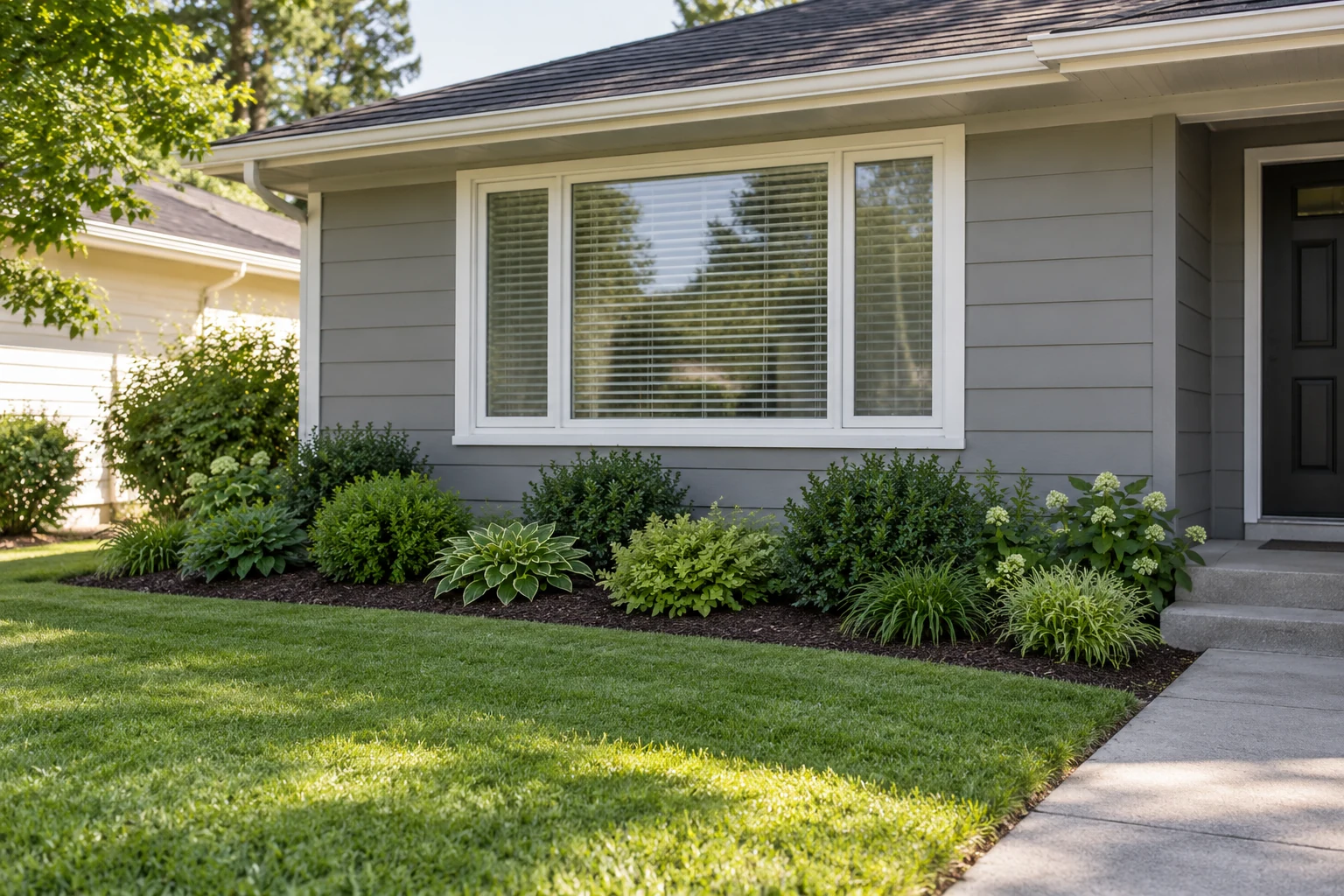
A low planting group can frame a front window without becoming a permanent pruning assignment. Compare the plants’ mature height with the sill and your preferred view. Nursery containers show their current size, which can be a very different thing.
Use suitable pieces you already own for this idea.
Leave room between mature plants and the building for the access your house needs. Don’t choose an oversized shrub on the assumption that frequent clipping will solve everything. A naturally smaller option may suit the space and your available maintenance time better.
3. Repeat a small sunny planting group
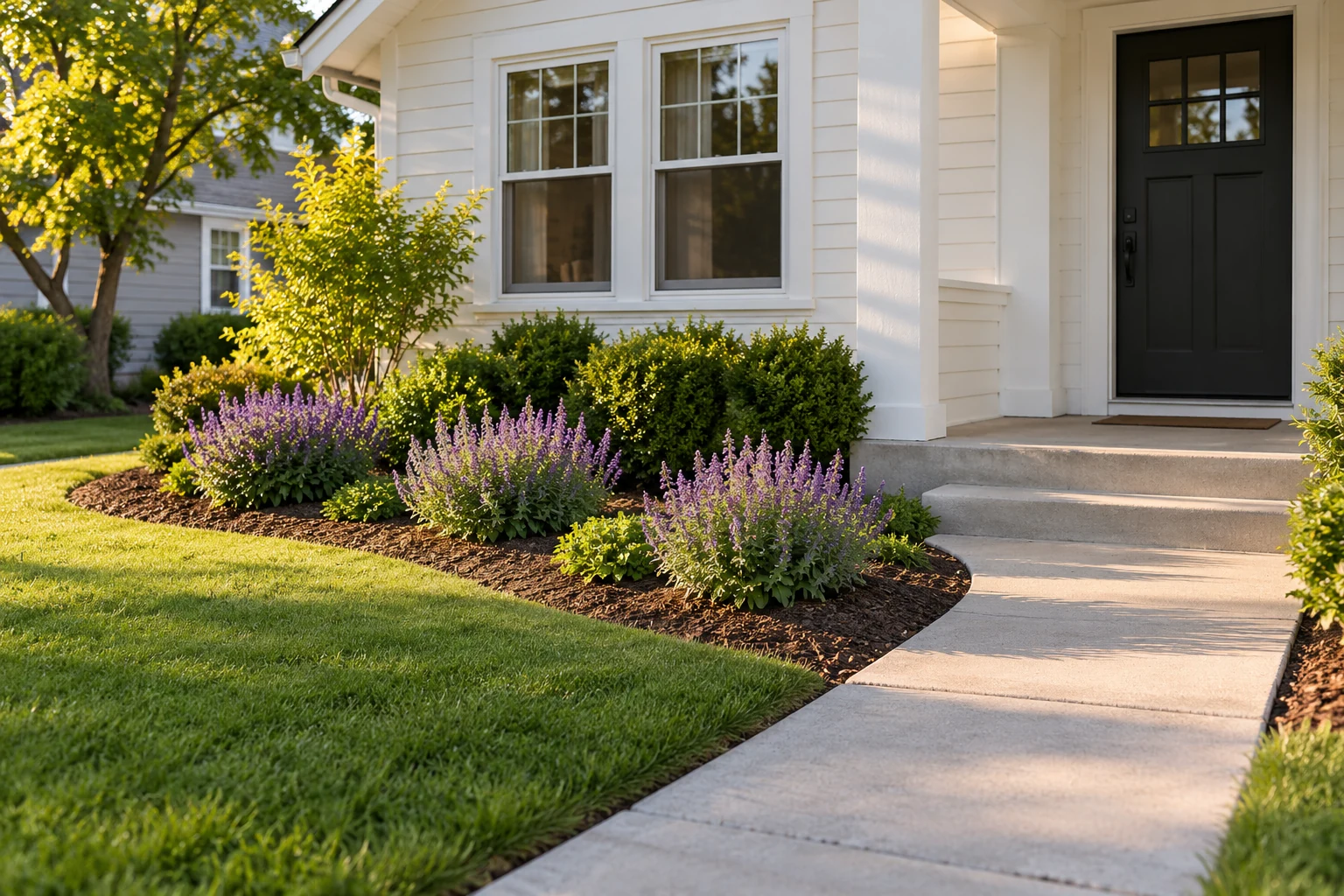
For a sunny bed, repeat a few locally suitable plant forms instead of collecting unrelated specimens. A modest group of upright flowers can contrast with lower foliage. The illustration offers that arrangement without identifying an exact cultivar.
Use suitable pieces you already own for this idea.
Record how much direct sun the bed actually receives across the day. Check flowering season, mature spread and local invasive status before buying. A sunny photograph from another region cannot settle those decisions for your yard.
4. Use foliage in a shaded bed
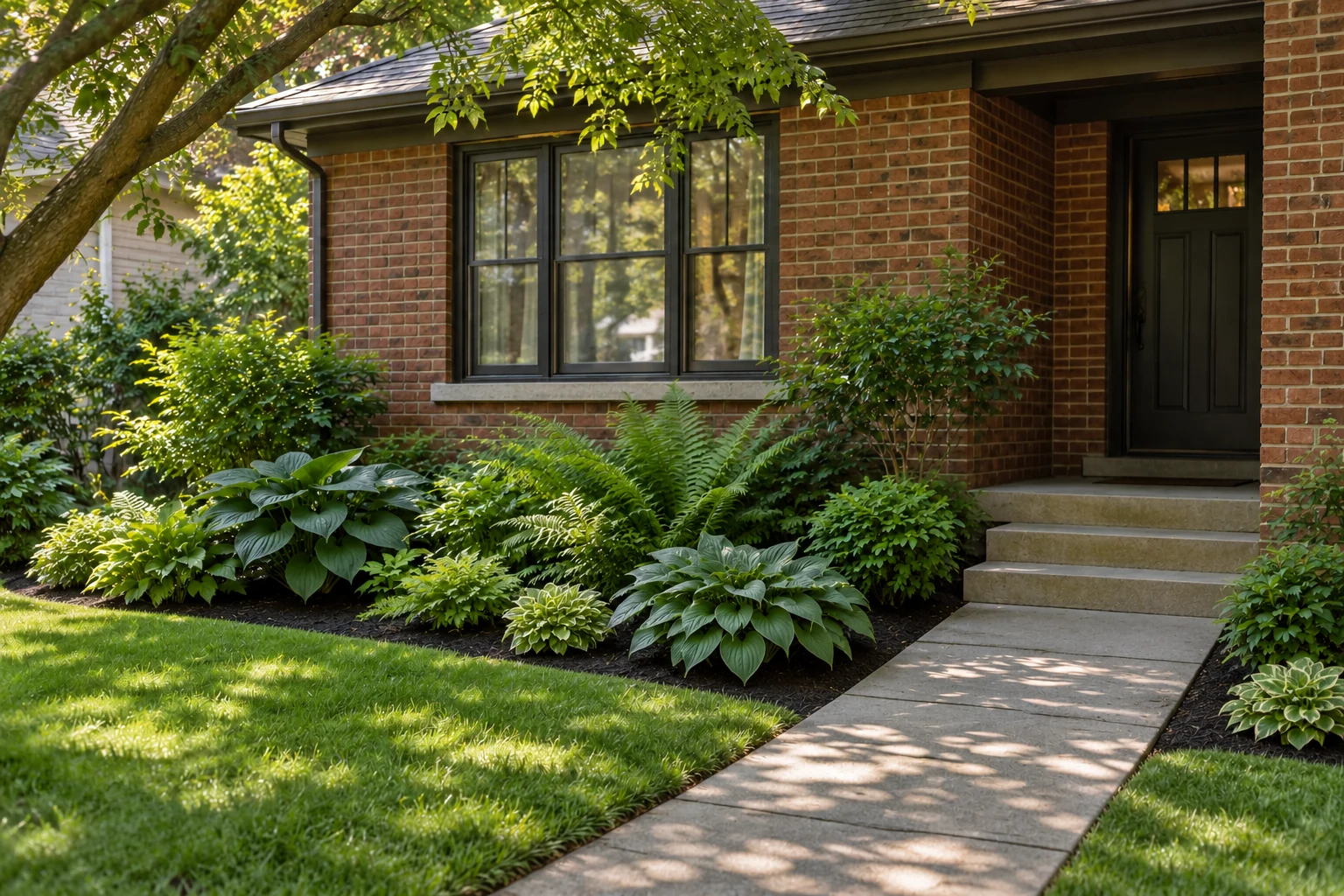
Shade can support a different visual approach, with leaf shape doing more of the work. Combine a small number of locally appropriate foliage plants where their moisture needs also fit. You don’t need to force a sunny flower border into a darker corner.
Use suitable pieces you already own for this idea.
Check whether the shade is dry, damp or affected by nearby roots. Those conditions can change the useful plant choices considerably. Take that information to your nursery instead of asking for anything labeled a shade plant.
5. Group plants suited to the dry side
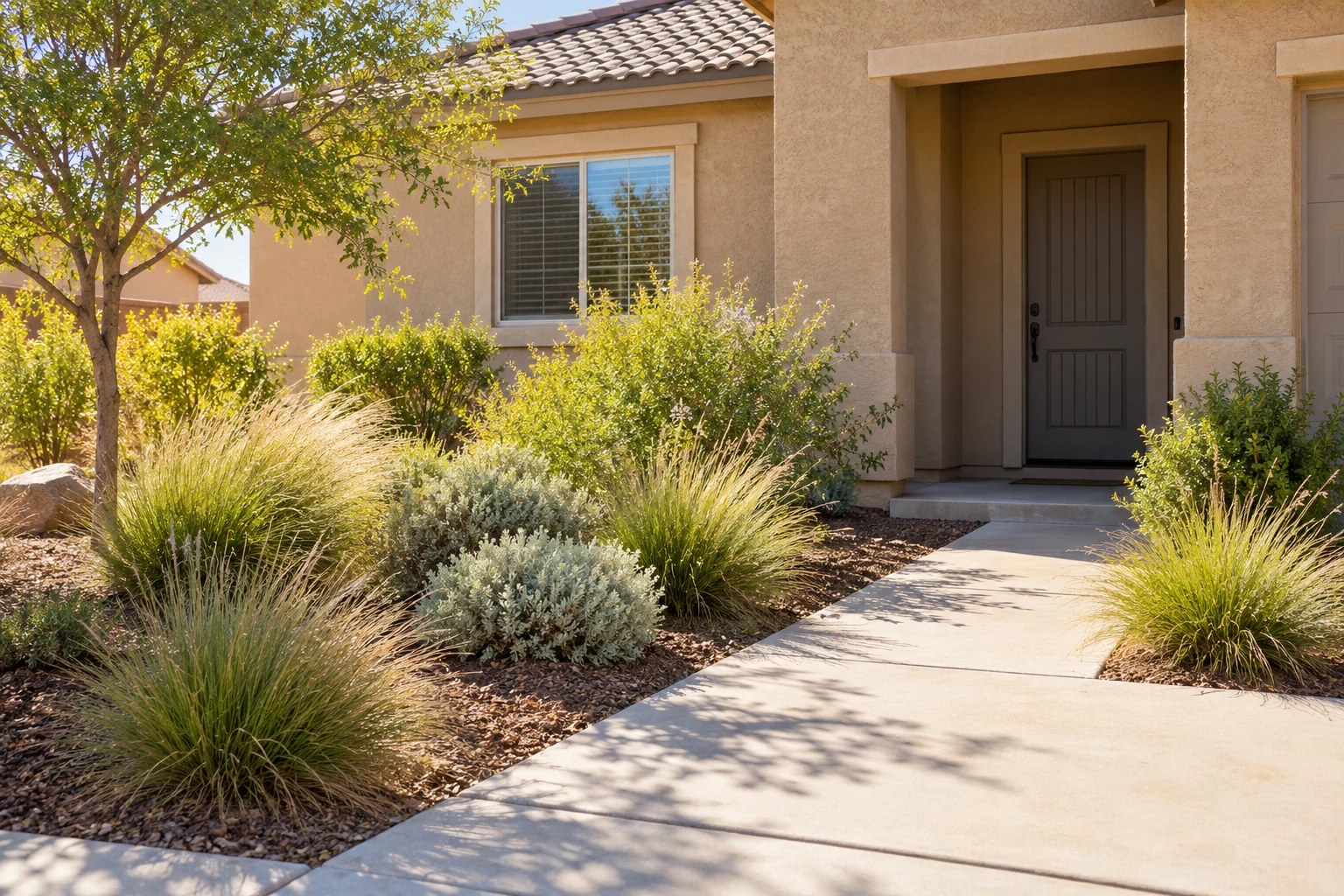
A sunny wall or exposed corner can behave differently from the rest of the property. Group plants with similar watering needs there instead of scattering them among thirstier choices. EPA’s WaterSense guidance describes this approach as grouping plants into hydrozones.
Use suitable pieces you already own for this idea.
Choose the actual plants for your local climate, soil and exposure. Drought tolerance doesn’t mean a newly planted garden needs no establishment care. Keep a practical watering plan while roots establish, following advice for the species and local conditions.
6. Pause over a persistently damp patch
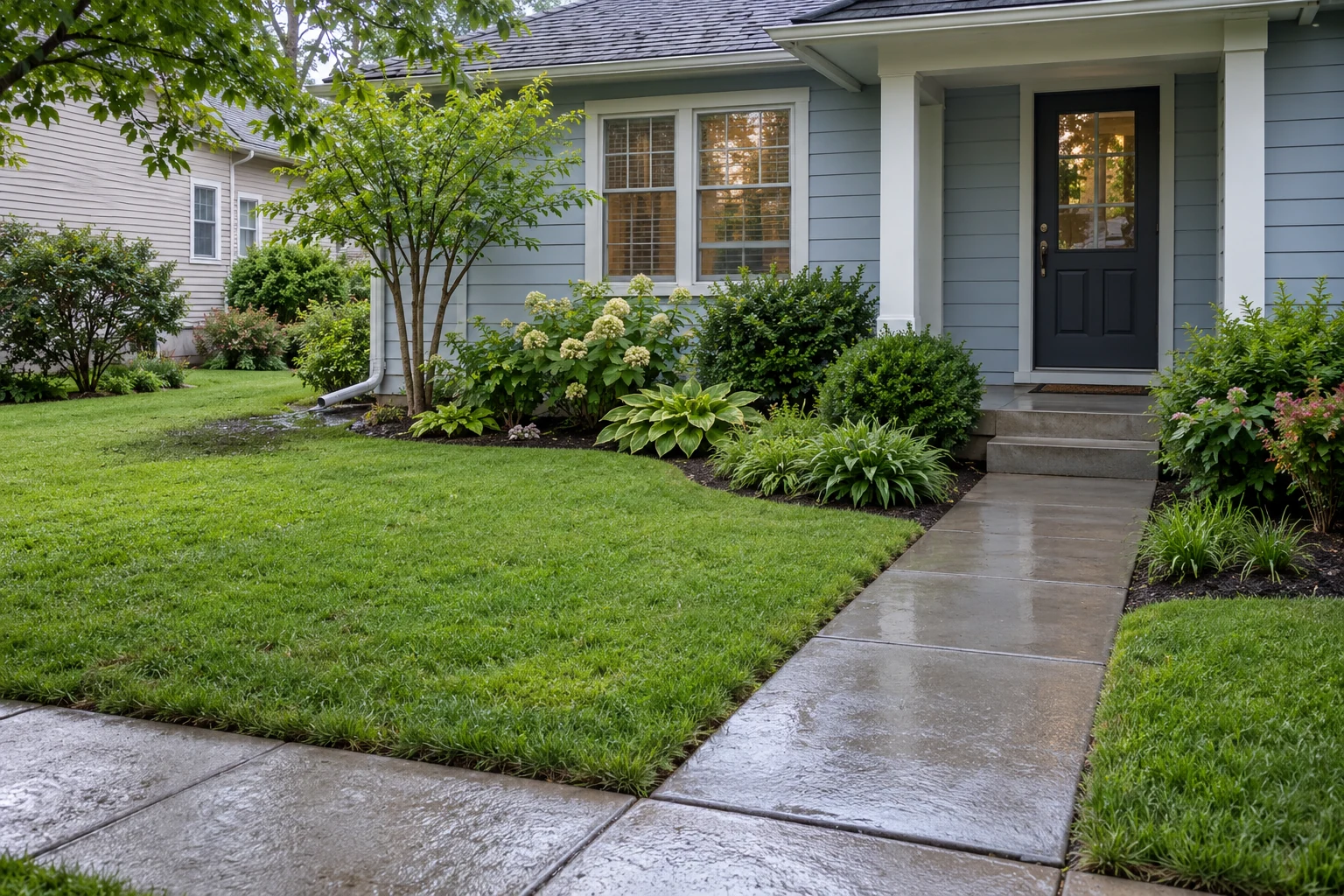
An area that stays wet deserves observation before another plant purchase. Notice when water appears, how long it remains and whether it approaches the building. Keep downspouts and existing drainage features in that assessment.
Use suitable pieces you already own for this idea.
A damp patch isn’t automatically a suitable place to build a rain garden. Drainage changes need advice specific to the property, utilities and local rules. Seek qualified help when water affects the house, neighboring land or existing drainage systems.
7. Give a useful lawn one simple shape
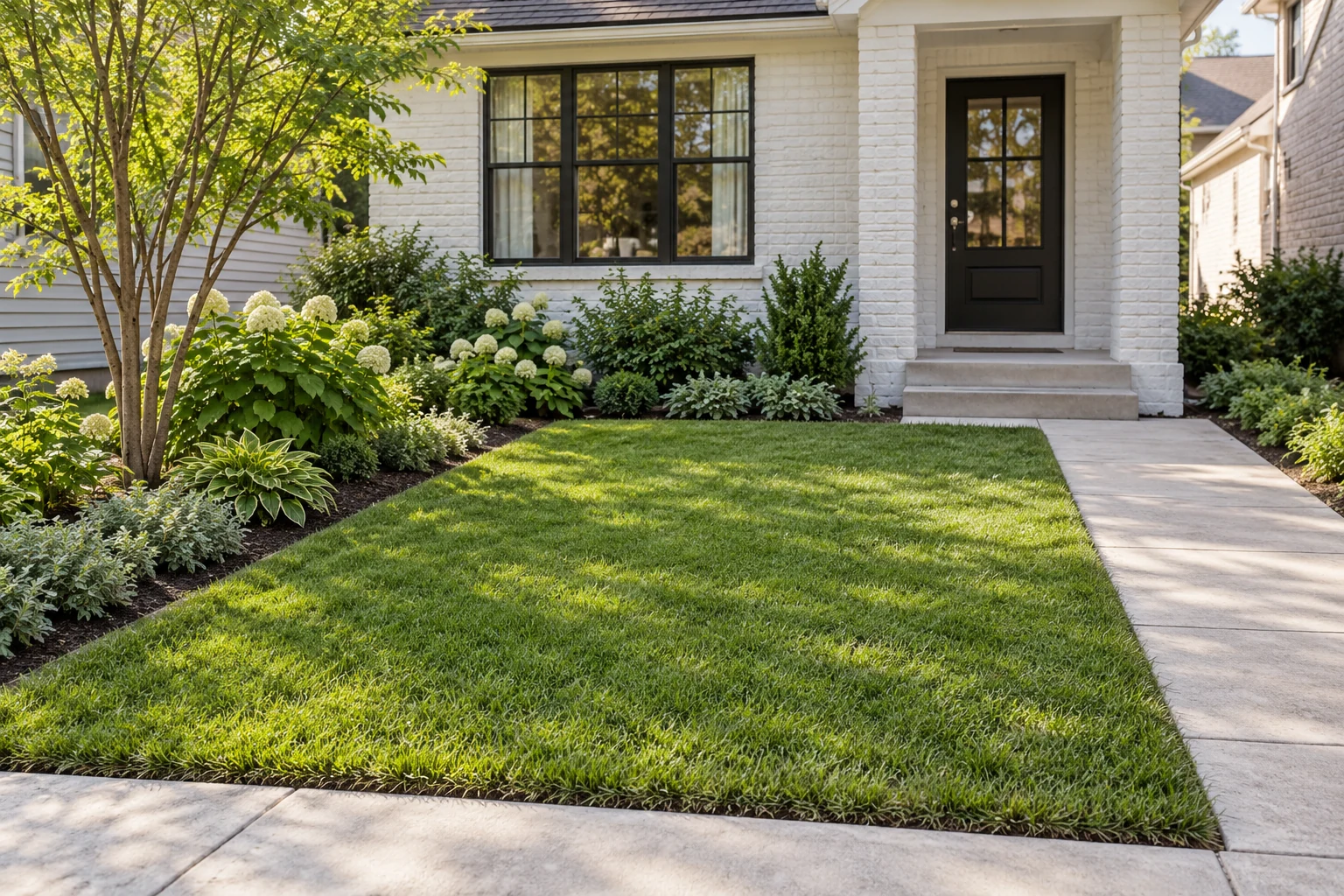
Keep lawn where you actually use it, with edges that suit your maintenance equipment and movements. One straightforward area can be easier to work around than several tiny islands. Avoid creating narrow grass strips merely to outline every planting bed.
Use suitable pieces you already own for this idea.
Walk the mowing route before finalizing the bed edges. Consider turning, reaching the back corner and moving through any gate you already have. Replacing lawn with planting introduces maintenance, so compare actual tasks instead of assuming one always wins.
8. Concentrate planting in one corner
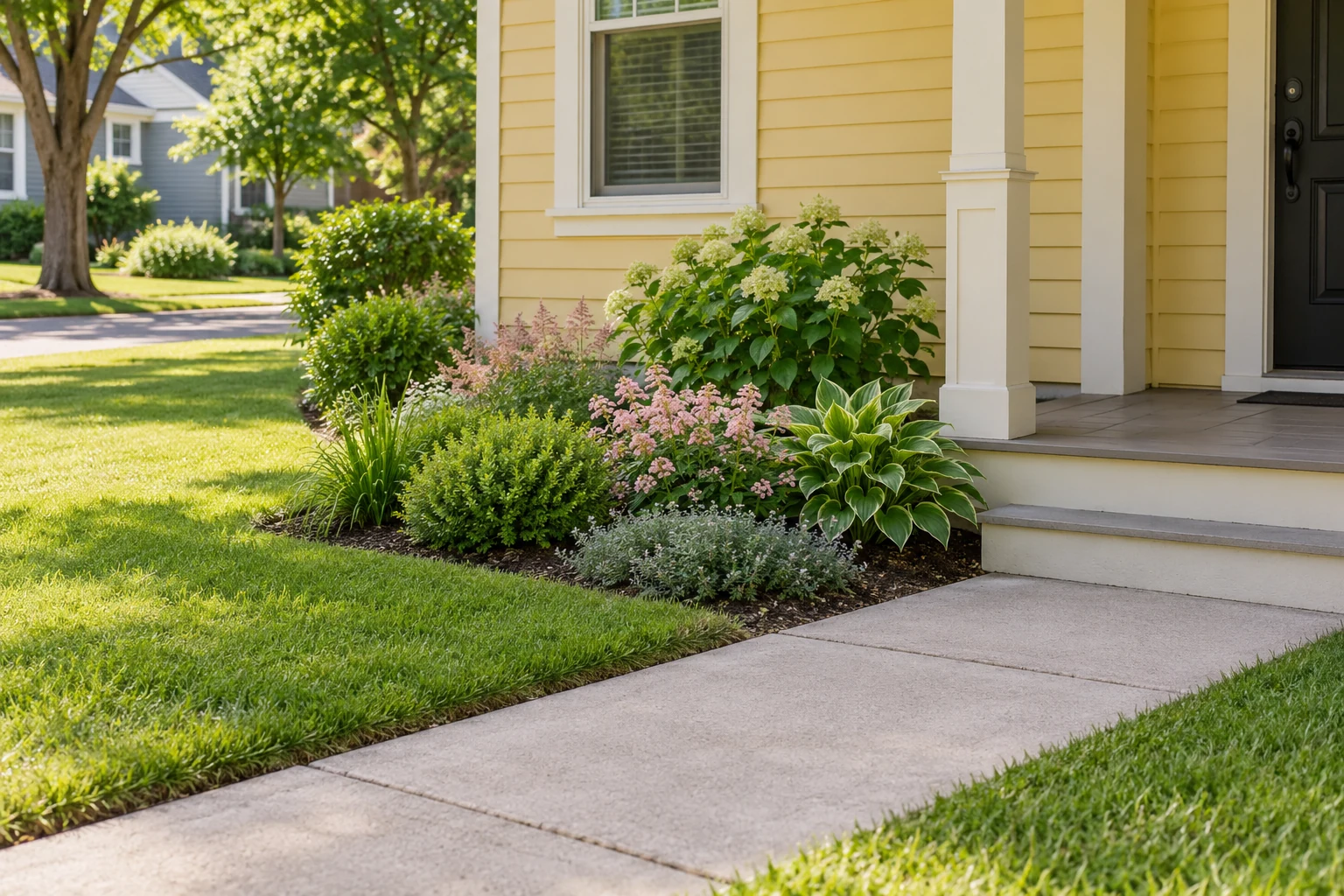
A corner bed can provide a focal area while leaving most of the yard straightforward. Choose a corner that doesn’t interfere with the entry, utilities or sightlines. Repeat a few forms instead of squeezing a sample of everything into it.
Use suitable pieces you already own for this idea.
Plan the mature width of the group before counting nursery pots. Empty space at planting time doesn’t necessarily mean the design is unfinished. Check the expected growth and spacing instead of buying extra plants solely to fill today’s gaps.
9. Respect an existing tree
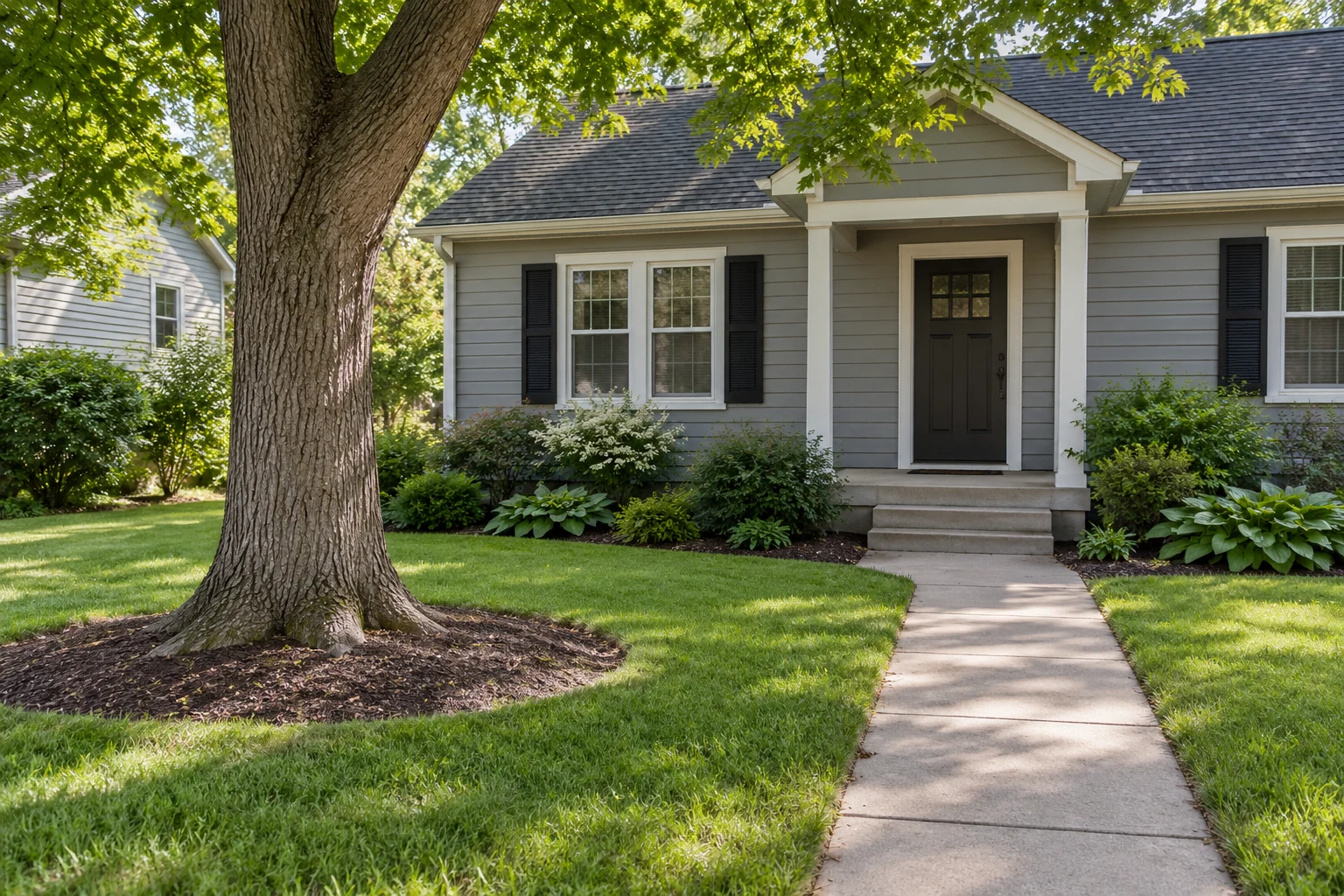
An established tree can already provide much of the yard’s structure and shade. Assess its health and growing space before planning new beds around it. Avoid assuming a bare patch beneath the canopy is unused space available for digging.
Use suitable pieces you already own for this idea.
Ask an appropriate tree professional about work near existing roots. Keep mulch away from the trunk rather than piling it into a mound. The illustration shows a general relationship, without establishing the right mulch area for your actual tree.
10. Try one manageable porch container
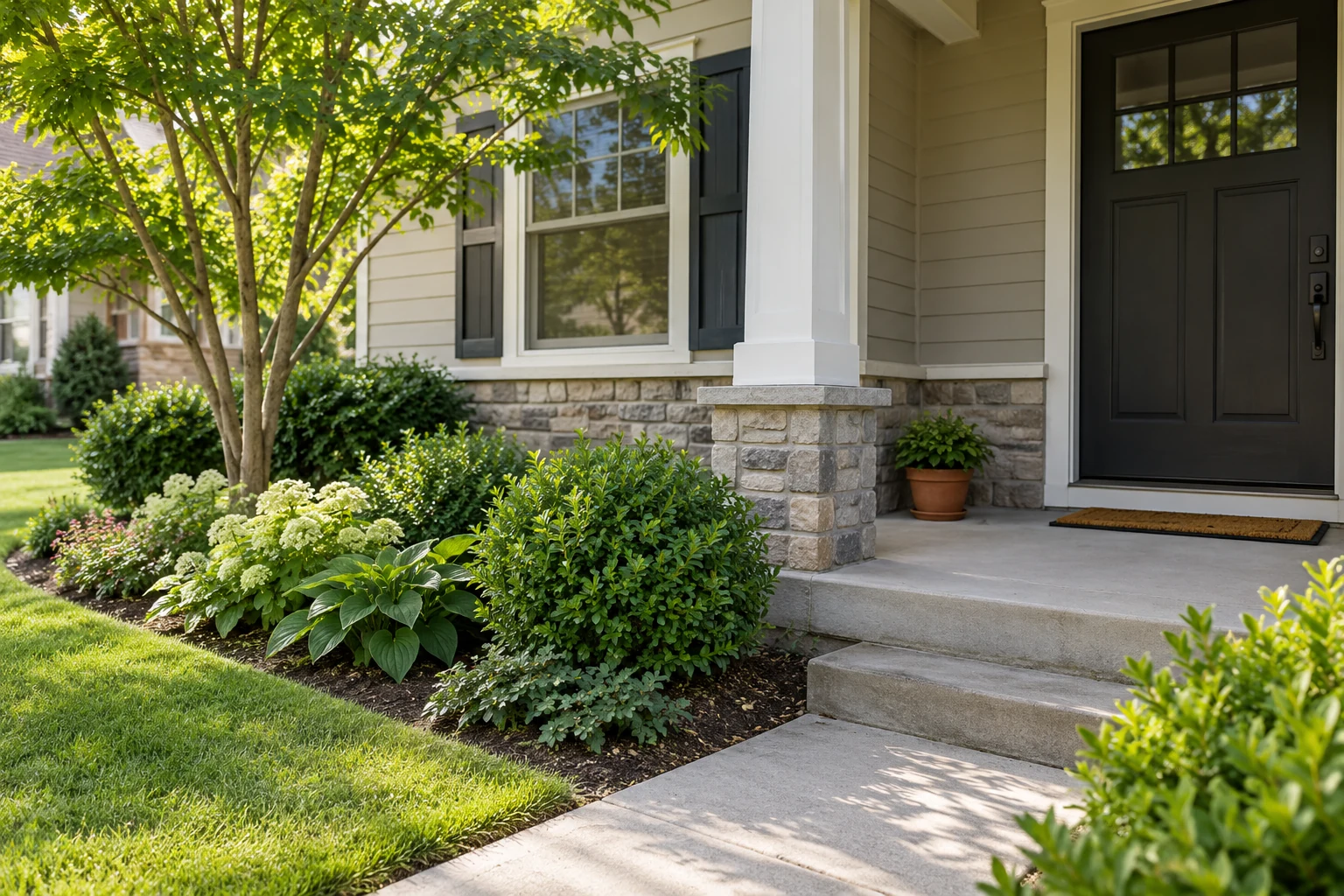
One small container can introduce planting without changing the ground around the house. Put it where the door opens fully and people can pass comfortably. Choose a plant whose actual root space and growing requirements fit the container.
Comparable options, not the exact pictured items. Check the selected variant and current directions.
Fit and buying notes
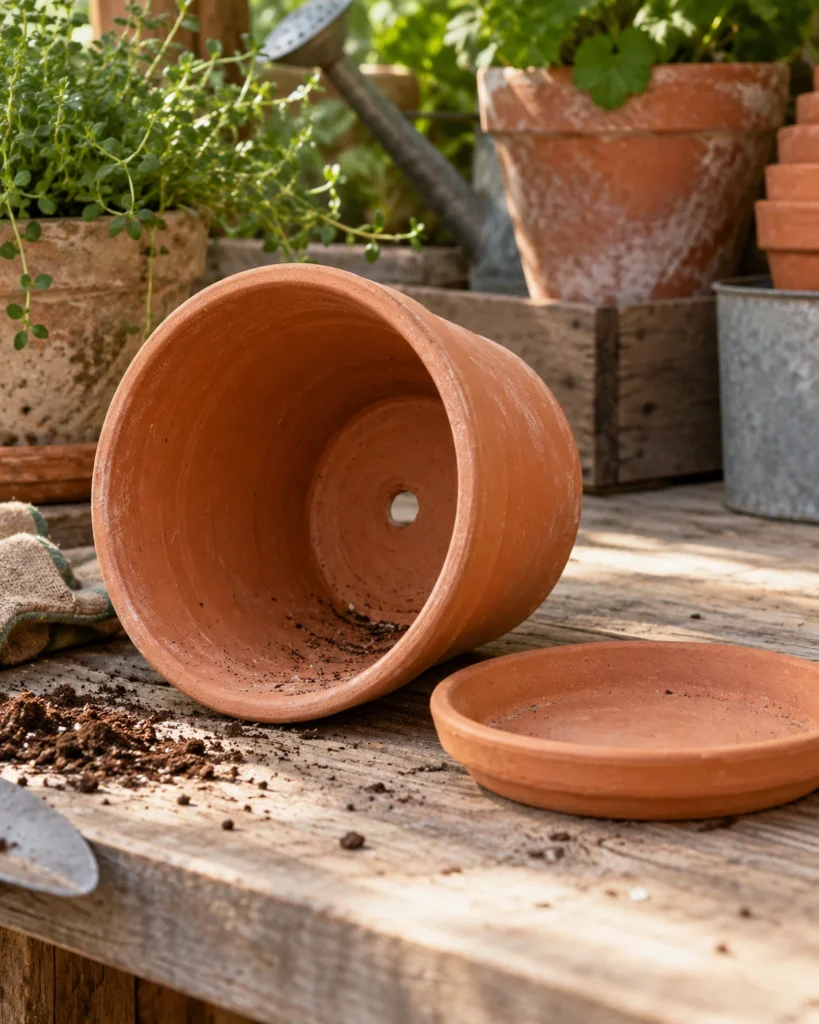
- vensovo brown eight-inch terracotta pots with saucers, two-pack: Two terracotta pots with saucers and drainage holes, approximately eight inches across and high. Choose plants whose actual root space fits. Empty collected saucer water and plan appropriate protection during freezing weather; a frostproof rating has not been verified.
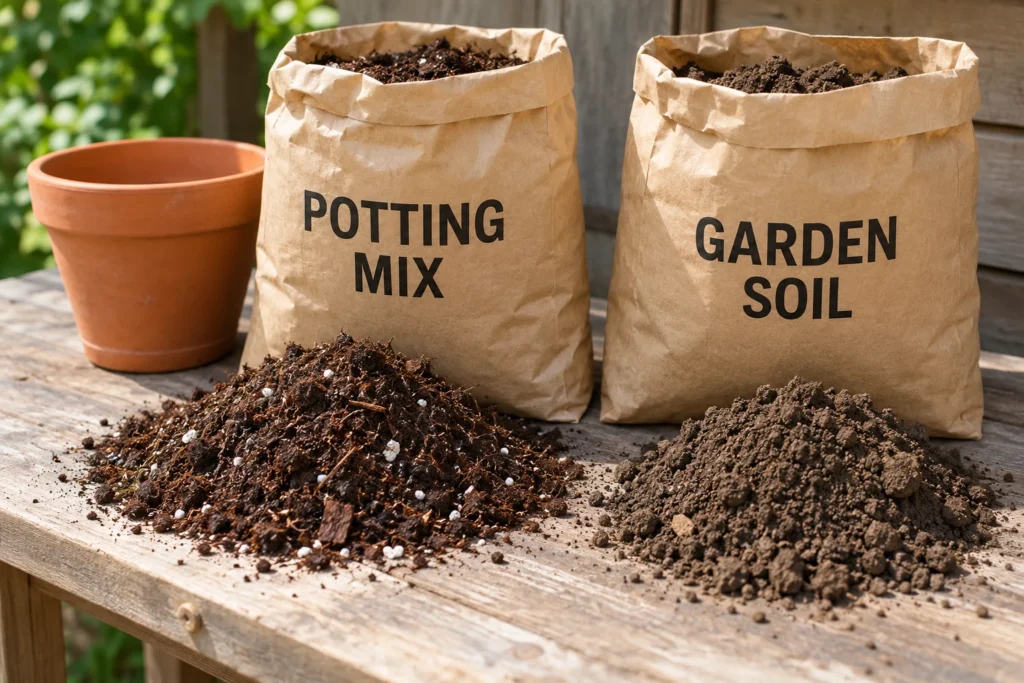
- Miracle-Gro Potting Mix,16-quart single bag: One 16-quart bag of general container mix with added plant food. Check your plant’s requirements and the current feeding directions. Choose a specialty formula when your plant needs one.
The optional eight-inch terracotta pots have drainage holes and matching saucers. They aren’t suitable for every shrub or an automatically frostproof permanent installation. Use an appropriate outdoor container mix, check its label and empty collected saucer water.
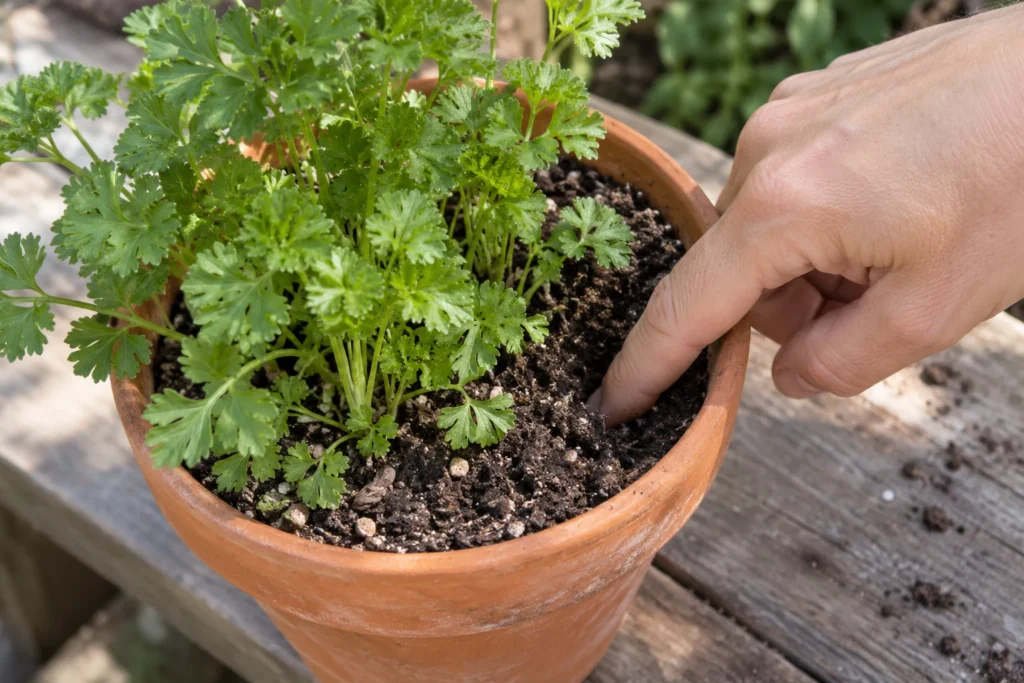
Choose the plant locally so you can assess its size, light needs and seasonal care. Our guide to herbs in pots also considers individual growing conditions. A small porch pot needs its own watering checks, even beside an established garden.
11. Keep the watering point reachable
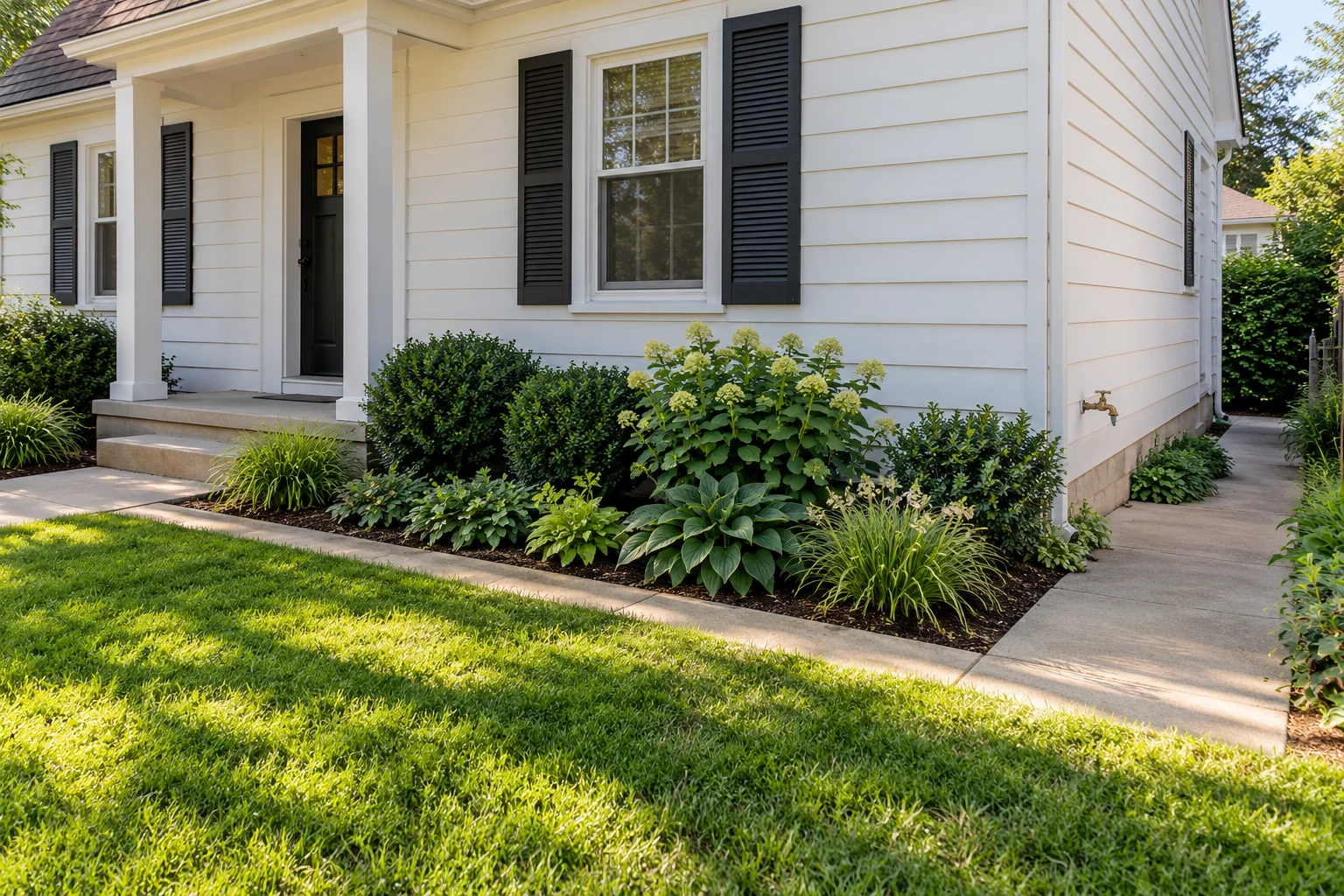
Leave a workable approach to the outdoor faucet or other existing water source. Consider where you stand and how you reach it when plants have grown. A shrub that hides the tap can make a small daily task unnecessarily awkward.
Use suitable pieces you already own for this idea.
Plan watering access before arranging the surrounding bed. You may be able to adjust the planting rather than buy another watering system. Existing equipment still needs to suit the size and conditions of the garden you choose.
12. Leave service equipment accessible
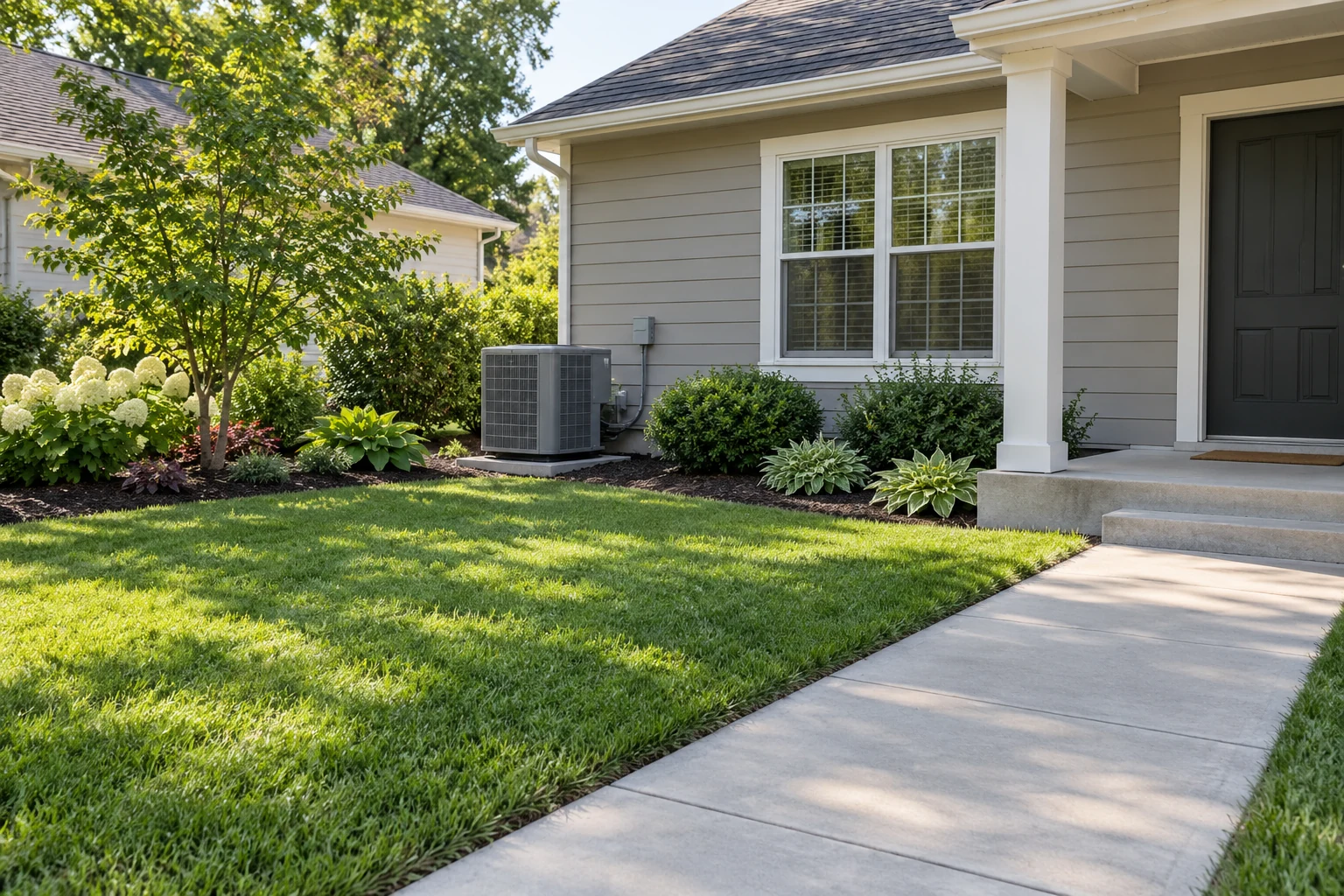
Outdoor equipment needs working room even when you would prefer not to see it. Follow the actual equipment maker’s clearance requirements and your service provider’s access needs. Plants shouldn’t cover vents, controls or the approach needed for maintenance.
Use suitable pieces you already own for this idea.
Ask about those requirements before choosing a nearby shrub or screen. Mature growth can matter as much as the initial planting distance. This concept doesn’t establish a universal equipment clearance or endorse a particular screening installation.
13. Preserve the driveway sightline
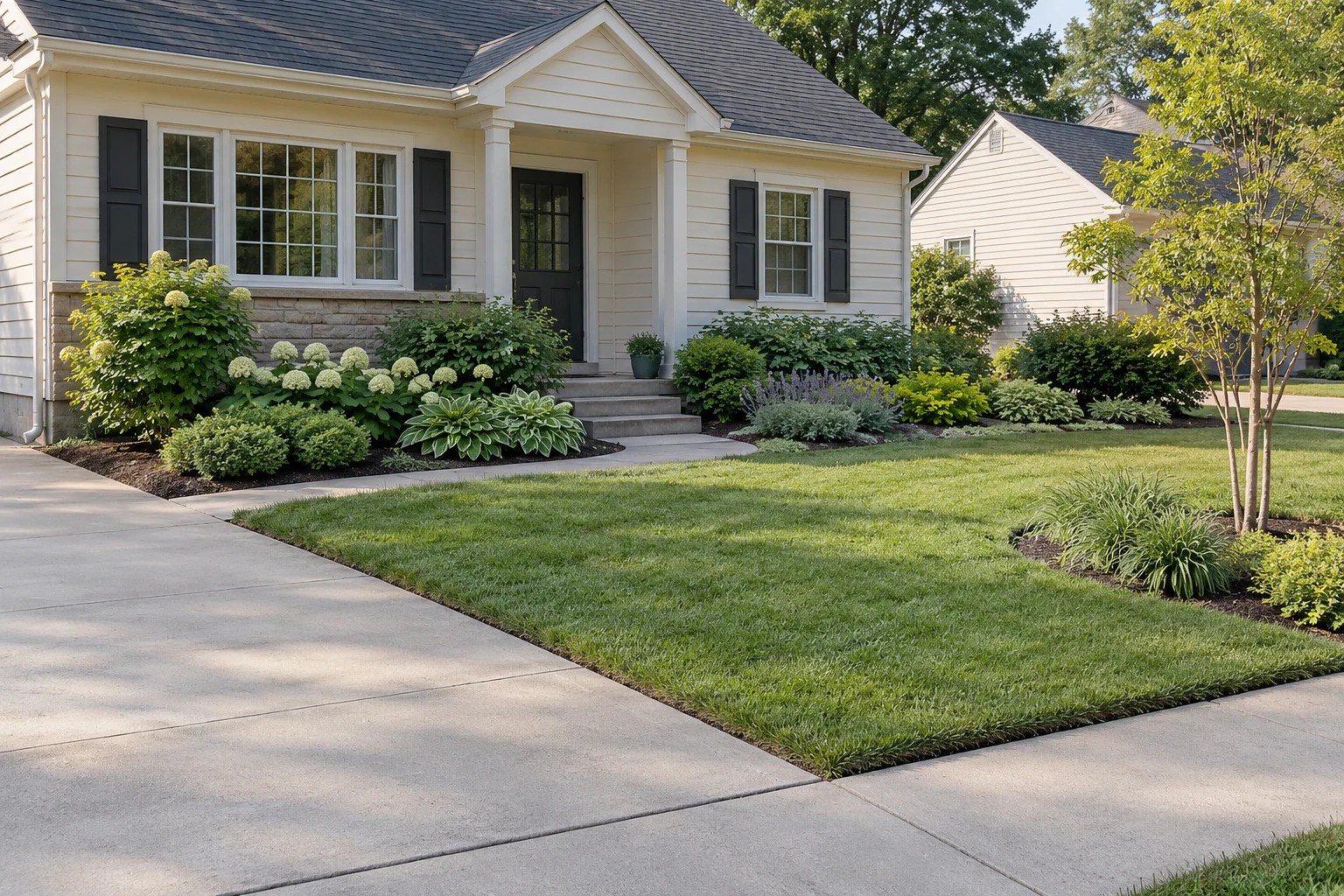
Keep planting near a driveway corner low enough for the actual visibility the location requires. Consider pedestrians, vehicles and growth through the season. A compact plant in its nursery pot may eventually create a very different obstruction.
Use suitable pieces you already own for this idea.
Check local requirements before changing planting near a public sidewalk or street. Don’t infer compliance from the low plants shown in an illustration. Leave public access and any required service areas available throughout the year.
14. Plan for the season without flowers
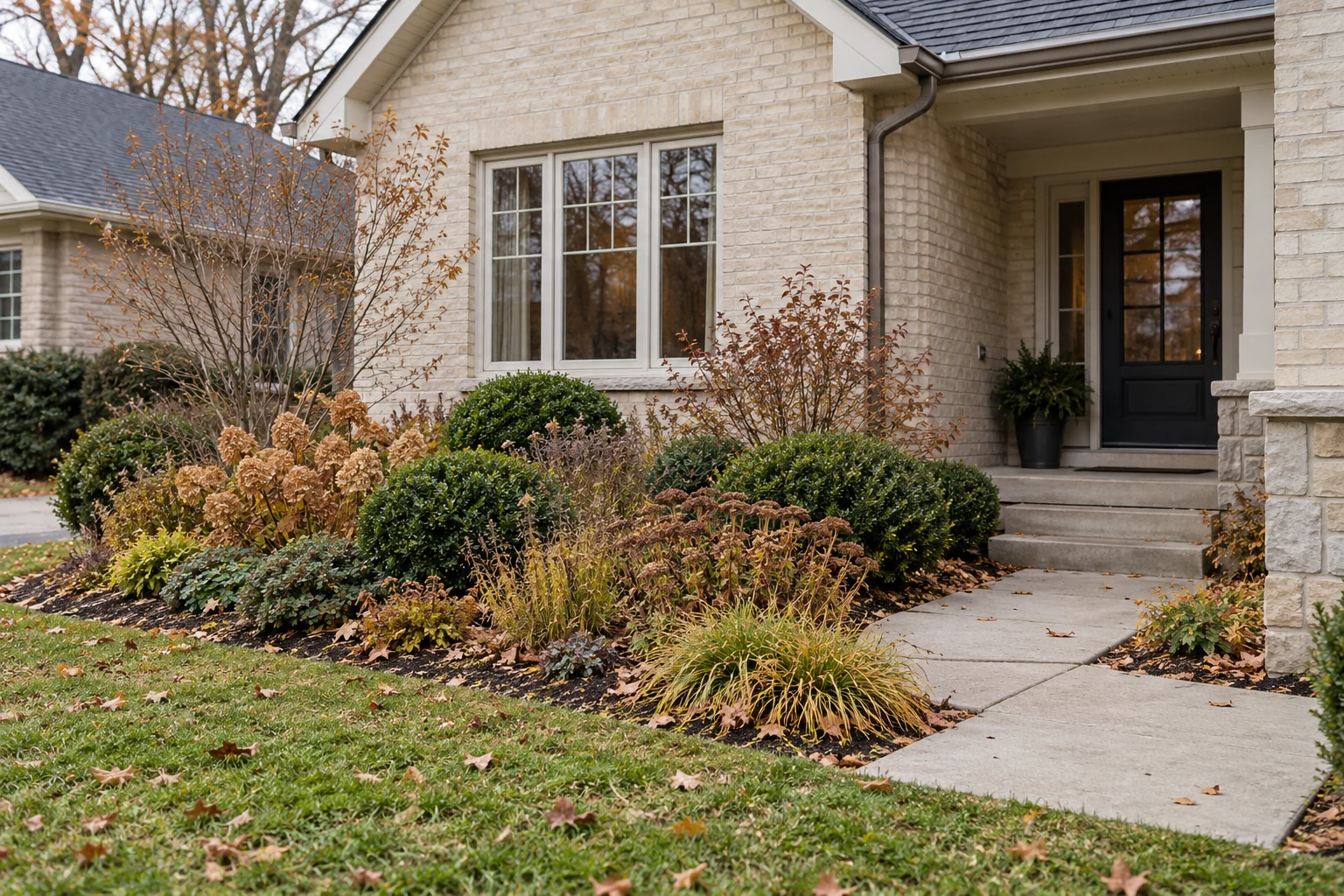
Look at the border’s shape and foliage when the main flowering period ends. Locally appropriate evergreen forms or remaining perennial structure can provide interest between blooms. The best choice depends on your region and the plants’ actual care needs.
Use suitable pieces you already own for this idea.
Ask what needs cutting, dividing, watering or protecting during the less photogenic months. Include those jobs in the plan instead of judging everything by a peak-season picture. A small attractive yard can still require regular weeding and seasonal work.
15. Finish one manageable stage first
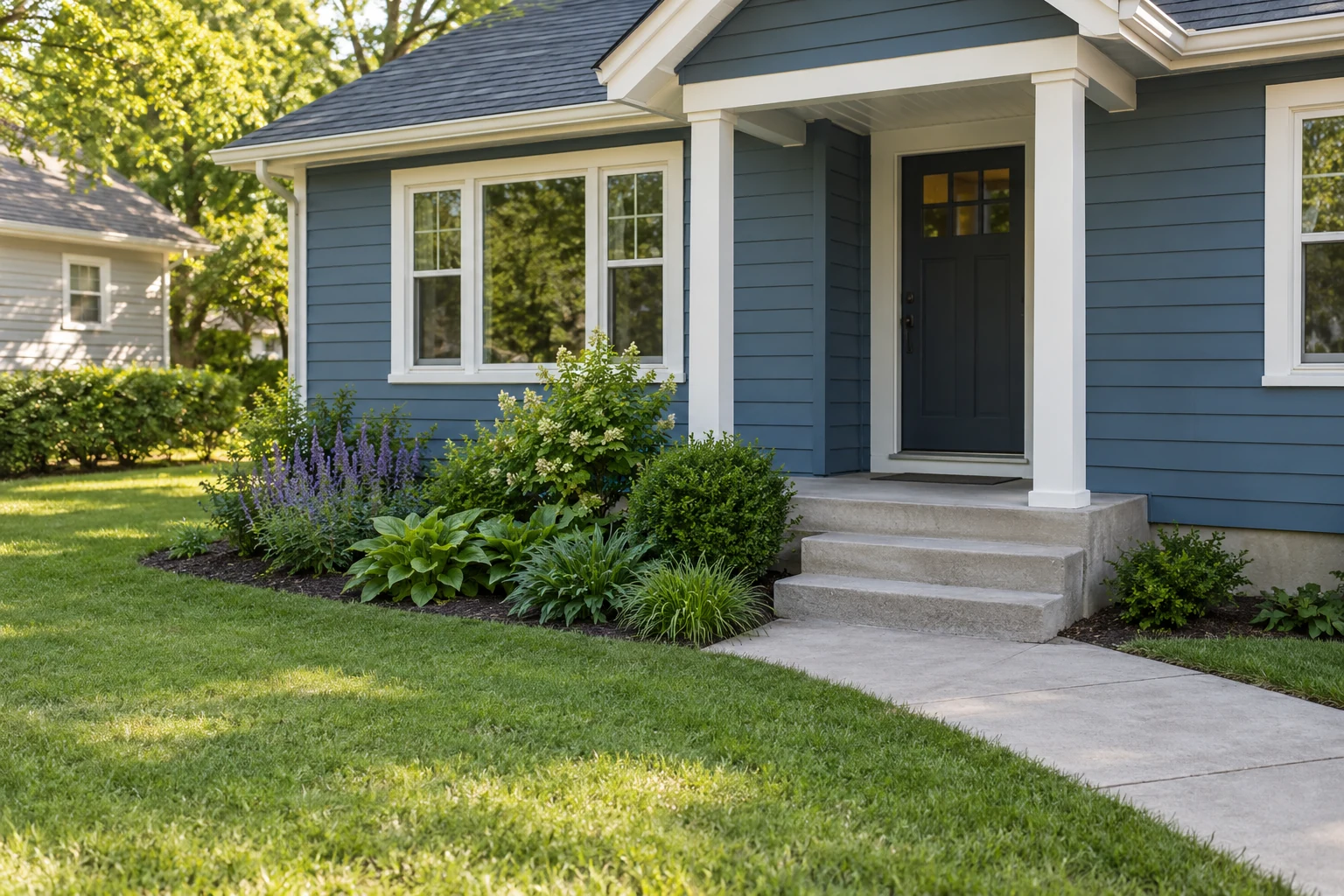
Choose one area you can prepare, plant and maintain properly before expanding. Record its width, light, moisture, intended mature size and likely maintenance jobs. Use that short list to guide a local nursery conversation and avoid unrelated impulse purchases.
Use suitable pieces you already own for this idea.
Before any digging, contact your state 811 service and follow its instructions. Wait the required period and confirm all utilities have responded before work begins. Utility markings are approximate, and property-specific restrictions and private services may require further checks.
Confirm permissions, boundaries and any neighborhood requirements before altering the landscape. Retain suitable paths, healthy plants and useful lawn while the first stage establishes. Your next change can respond to what the actual yard needs, rather than another appealing photograph.
Visuals are original AI-generated editorial concepts, not photographs of actual products, tested projects, cooked results or real events.